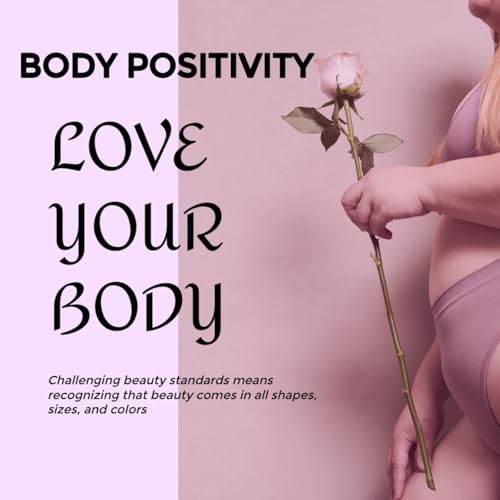
Types and Variants. Fat feminism encompasses a range of approaches, often categorized into distinct types or variants based on their goals, strategies, and ideological commitments. Radical Fat Liberation. Originating in the 1970s with groups like the Fat Underground, this variant treats fat oppression as deeply intertwined with patriarchy, capitalism, racism, and other hierarchical systems. It calls for radical systemic change, the abolition of diet culture, and the rejection of medical models that pathologize fatness. Activists in this tradition view individual weight loss efforts as complicit in oppressive structures and prioritize collective liberation over personal accommodation. Politically, radical fat liberation aligns with leftist, anti-capitalist, and often socialist or anarchist ideologies. It critiques the diet and beauty industries as capitalist enterprises that commodify women's bodies and profit from insecurity, perpetuating patriarchal control. Activists call for collective resistance, mutual aid networks, and the eventual abolition of weight-normative institutions. Reformist Fat Acceptance. Politically, reformist fat acceptance tends toward liberal feminism, working within existing democratic and capitalist structures to secure rights and inclusion. It focuses on lobbying, legal advocacy, and public policy changes to combat discrimination rather than seeking revolutionary overhaul. Exemplified by the National Association to Advance Fat Acceptance (NAAFA), this approach adopts a civil rights framework, advocating for legal protections against weight-based discrimination, public education campaigns, and institutional reforms in employment, healthcare, and media representation. It seeks inclusion and equal treatment within existing systems rather than their wholesale transformation. Health at Every Size (HAES). Developed in the 1990s and gaining prominence in the 2000s, the Health at Every Size paradigm promotes pursuing health via intuitive eating, pleasurable physical activity, and body respect without aiming for weight loss. Many fat feminists have embraced HAES as a practical, evidence-informed alternative to dieting, though critics argue it understates the health risks of obesity and may conflict with public health priorities. Mainstream Body Positivity. From the 2010s onward, body positivity has become a mainstream cultural trend, amplified by social media influencers, celebrities, and corporate campaigns. This variant emphasizes self-love, aesthetic diversity, and rejection of narrow beauty standards. While increasing visibility for larger bodies, it has been criticized for commercialization, selective representation (often favoring hourglass figures over higher-weight individuals), and detachment from radical critiques of power. Intersectional and Critical Variants. Contemporary fat feminism increasingly incorporates intersectionality, examining how fatphobia interacts with racism, classism, ableism, queerphobia, and transphobia. These approaches highlight differential experiences of body size oppression across identities and advocate for inclusive, multi-issue activism. Some strands also engage critically with the limitations of body positivity, calling for renewed focus on structural change amid backlash from medical advances and cultural shifts. Political Orientations. Fat feminism is intrinsically political, challenging dominant power structures around gender, body, and health. Radical variants embrace far-left politics, framing fat oppression as a symptom of intersecting capitalism, patriarchy, and colonialism, and advocating systemic dismantling over reform. Reformist approaches align with liberal politics, pursuing inclusion through legal and institutional changes. Across variants, the movement critiques neoliberalism's focus on individual responsibility for health and appearance, attributing weight issues to structural factors like economic inequality, food access, and stress rather than personal failings. These political commitments foster alliances with progressive causes but draw criticism for allegedly minimizing biological and behavioral contributors to obesity in favor of structural determinism. These variants are not rigidly separate; many activists draw from multiple traditions, and debates continue over their relative merits, co-optation risks, and alignment with empirical evidence on health and society. Theoretical Frameworks. Psychoanalytic and Psychological Interpretations. In Fat is a Feminist Issue (1978), psychotherapist Susie Orbach argued that fat accumulation among women serves as a subconscious form of rebellion against patriarchal objectification, functioning as "armor" to shield the psyche from sexual vulnerability and the male gaze. Drawing on object relations theory, Orbach viewed the body as a repository for unresolved early relational conflicts, where overeating externalizes internal turmoil rather than ...
Show More
Show Less


 Apr 19 202610 mins