Episodes

  • „Wir müssen die Rahmenbedingungen verbessern“ – Sascha Seifert über Bundesliga, Nachwuchs und Sichtbarkeit
    Dec 20 2025
    Im zweiten Teil des Gesprächs mit Sascha Seifert, Wasserball-Nationalspieler und Bundesligaspieler beim ASC Duisburg, geht es um die strukturellen Herausforderungen und Zukunftsfragen des deutschen Wasserballs. Im Fokus stehen die aktuelle Liga-Reform, das Leistungsgefälle in der Wasserball Bundesliga sowie die schwierige Verbindung von Leistungssport, Studium und finanzieller Realität. Ausführlich diskutieren wir die neue Bundesliga-Struktur mit verkleinertem Spielfeld, reduzierten Kadern und der Regelung, mindestens sieben deutsche oder in Deutschland ausgebildete Spieler einzusetzen. Sascha sieht darin grundsätzlich einen richtigen Ansatz, benennt aber auch klare Risiken: „Die Regel fördert deutsche Spieler – kann aber im Großen und Ganzen die Liga schwächer machen, weil sich die Nationalspieler auf wenige Vereine konzentrieren.“ Ein zentrales Thema der Folge ist das große Leistungs- und Finanzgefälle innerhalb der Bundesliga. Während es nur wenige Standorte gibt, an denen Wasserball halbwegs professionell betrieben werden kann, kämpfen viele Vereine mit begrenzten Ressourcen. Sascha beschreibt offen, dass Wasserball in Deutschland für die meisten Athleten kein Beruf, sondern eher ein Nebenjob bleibt. Besonders kritisch beleuchtet er den Übergang vom Nachwuchs- in den Herrenbereich. Viele Talente beenden ihre Karriere nach der U18-Bundesliga – nicht aus mangelnder Motivation, sondern wegen fehlender Perspektiven und Unterstützung: „Diese Schwelle von der U18 in den Herrenbereich ist extrem groß – und genau dort verlieren wir sehr viele Spieler.“ Statt ausschließlich auf frühe Leistungsspitzen zu setzen, plädiert Sascha für mehr Quantität im Nachwuchs, bessere Fördermodelle und eine breitere gesellschaftliche Anerkennung des Sports. Auch die Rolle von Social Media, Events und medialer Sichtbarkeit wird thematisiert – als Schlüssel, um Wasserball langfristig attraktiver und präsenter zu machen. Abschließend sprechen wir über positive Entwicklungen wie internationale Events, die Universiade in Duisburg, neue Medienformate der Vereine und innovative Ideen wie Beach-Wasserball. Trotz aller Herausforderungen überwiegt der vorsichtige Optimismus: „Wasserball ist keine unattraktive Sportart – man sieht ihn nur viel zu selten.“ 🎧 Teil 2 liefert ehrliche Einblicke in die Realität der Wasserball Bundesliga und zeigt, an welchen Stellschrauben gedreht werden muss, damit sich der Sport in Deutschland nachhaltig entwickeln kann.
    Show More Show Less
    36 mins
  • „Ich bin superglücklich, dass ich diesen Weg gegangen bin“ – Sascha Seifert (Teil 1)
    Dec 13 2025
    In dieser Folge meines Wasserball Podcasts spreche ich mit Sascha Seifert, Wasserball-Nationalspieler und Bundesligaspieler beim ASC Duisburg. Gemeinsam sprechen wir darüber, wie der Weg in den deutschen Leistungssport wirklich aussieht – zwischen Wasserball Bundesliga, Studium, Nationalmannschaft und internationalem Wettbewerb im Eurocup. Sascha erzählt, wie er vom Schwimmen zum Wasserball kam, warum er früh an die Elite-Schule des Sports in Potsdam wechselte und wie diese Zeit seine Karriere entscheidend geprägt hat. Über seine Entscheidung für den Leistungssport sagt er selbst: „Im Nachhinein hat sich das auf jeden Fall gelohnt – und ich bin superglücklich, dass ich diesen Weg gegangen bin.“ Wir sprechen außerdem über seinen Wechsel in die Wasserball Bundesliga nach Duisburg, über Vereinsstrukturen, Ehrenamt, finanzielle Realität im deutschen Wasserball und darüber, wie herausfordernd es ist, Sport, Studium und Privatleben miteinander zu verbinden. Auch die aktuelle Entwicklung des ASC Duisburg, internationale Spiele im Eurocup sowie die Rolle deutscher Nationalspieler in den Top-Teams sind Thema. Sascha bringt es treffend auf den Punkt: „Ich glaube, wir sind jetzt an einem Punkt angekommen, an dem wir wirklich eine richtig gute Mannschaft geworden sind.“ Die wichtigsten Aussagen & Erkenntnisse aus der Folge Der Weg in den Wasserball-Leistungssport in Deutschland beginnt oft sehr früh und verlangt viel Verzicht. Eine Sportschule kann ein echter Karriereschlüssel sein, wenn Training und Schule optimal verzahnt sind. Vereinswechsel sind nicht nur sportlich, sondern auch persönlich große Umbrüche. Und vor allem wird klar: Erfolg in der Wasserball Bundesliga entsteht nicht durch große Namen – sondern durch Konstanz, Vertrauen, Teamgeist und professionelle Strukturen. 🎧 Wenn du wissen willst, wie sich Leistungssport im deutschen Wasserball wirklich anfühlt – mit allen Höhen, Zweifeln und Entwicklungsschritten – dann hör jetzt unbedingt in diese Folge rein. Wenn dir der Podcast gefällt, freue ich mich riesig über ein Abo, eine Bewertung und wenn du die Folge mit anderen teilst, die sich für Wasserball, Bundesliga oder Nachwuchsförderung interessieren. Danke für deinen Support! 💙🤽‍♂️
    Show More Show Less
    31 mins
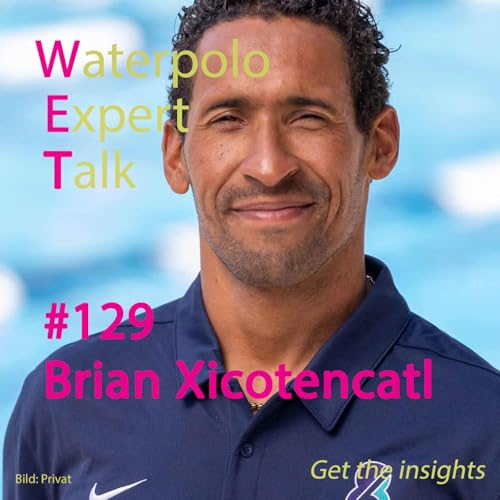
  • "You can’t sprint every day" - Brian Xicotencatl (Ep. 2)
    Dec 6 2025
    In Part 2 of this episode of WET – Waterpolo Expert Talk, I continue the deep performance conversation with Brian Xicotencatl, founder of WaterPolo Strong, with a strong focus on training structure, sprint physiology, recovery monitoring, and data-driven coaching. We discuss why it is physiologically impossible to sprint every day, how different energy systems work in water polo, and why proper recovery windows are non-negotiable for long-term performance. Brian explains how to structure training weeks using low days, stimulation days, and true sprint days, and why this approach protects both performance and athlete health. A central topic of this episode is heart rate variability (HRV) and how wearable technology can help coaches objectively assess nervous system stress and recovery. We talk about how HRV data can be used to adjust training loads, prevent overtraining, and make smarter coaching decisions based on real physiological feedback instead of guesswork. We also dive into long-term athlete development, the role of puberty in sprint capacity, and why children must not be trained like adults. Brian breaks down the three key pillars of success for modern water polo coaches: long-term development planning, understanding metabolic systems, and consistent self-care. Finally, Brian explains his collaboration with 6-8 Sports, how movement quality, power output, and game performance can be measured together, and why mobility problems are always performance problems. 🎧 Part 2 is available now on Spotify, Apple Podcasts, Podigee, and all major platforms.
    Show More Show Less
    23 mins
  • "You can’t out-train poor recovery" - Brian Xicotencatl (Ep. 1)
    Nov 29 2025
    In Part 1 of this episode of WET – Waterpolo Expert Talk, I speak with Brian Xicotencatl, founder of WaterPolo Strong, strength & conditioning coach, and sports science researcher specializing in water polo performance and injury prevention. Brian shares how his own playing career — marked by a long list of serious injuries — completely changed his understanding of training, recovery, and self-care. He explains why many water polo players are still underserved by outdated training methods, and why the sport is, in his words, still “where soccer was in the 1800s” when it comes to applied sports science. A major focus of this first part is self-care and preparation. We talk in detail about: - Why foam rolling, stretching, and hydration are not optional add-ons but essential performance tools - How mobility directly affects power output, shooting ability, and verticality - Why many athletes unknowingly limit themselves through poor movement habits - The importance of proper warm-up and cool-down routines before and after training How recovery only truly begins when the body shifts from fight-or-flight into parasympathetic mode Brian also explains why water polo players must start seeing themselves as high-level athletes, not just as players who train in the pool. He highlights how neglecting foundational physical work leads to avoidable injuries and long-term performance limitations. The conversation further touches on hydration and in-game fueling, why athletes lose far more fluids and carbohydrates than they realize, and how modern sports nutrition is starting to influence elite water polo performance. In the second half of this episode, Brian introduces the concept behind WaterPolo Strong: why he created a dedicated strength & conditioning platform for water polo, why youth development (ages 12–18) is the key window for building real athletic foundations, and why basic movement quality must always come before heavy lifting or high-intensity conditioning. This first episode sets the foundation for a deep, science-based look at how water polo athletes should be developed — physically, structurally, and sustainably. 🎧 Episode 1 is available now on Spotify, Apple Podcasts, and all major platforms.
    Show More Show Less
    22 mins
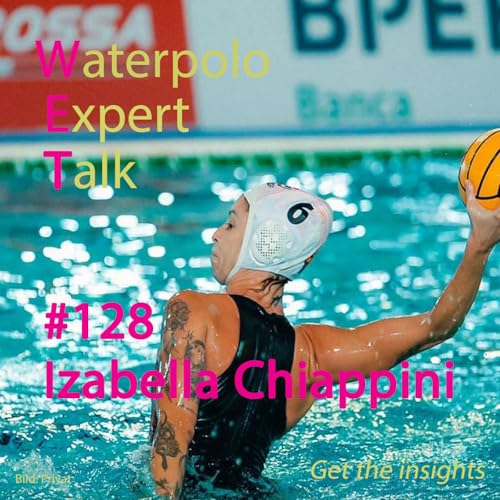
  • “Women’s Water Polo: The Gap We Can’t Ignore” - Izabella Chiappini (Ep. 2)
    Nov 22 2025
    In this new episode of WET – Waterpolo Expert Talk, I continue my conversation with a player from the Italian Serie A to take a closer look at the current challenges and opportunities in women’s water polo. Following the first part of our discussion, where we explored her personal journey and the overall state of the sport, this second part focuses on visibility, media exposure, and the structural gap between the women’s and men’s game. A central theme of this episode is the lack of live streaming and media coverage, which makes it difficult for young athletes to discover the sport and identify with female role models. We also discuss how the quality of production, investment levels, and prize money differ significantly between men’s and women’s competitions — and how even small improvements could dramatically accelerate the growth of women’s water polo. Key Points of This Episode: - The media and visibility gap between women’s and men’s water polo - Why reliable streaming, highlights, and live coverage are essential for the sport’s future - The competitive development of the Italian women’s league and its rising level - The impact of investment, prize money, and promotional resources - How the absence of coverage affects youth development and role models - A personal perspective on injury recovery, resilience, and elite-level motivation - Why the goal is not full equality — but closing the unnecessary performance and visibility gap - What the sport offers beyond medals: experiences, opportunities, and global community We also talk about her recovery after shoulder surgery, the increasing competitiveness of the Italian league, and the broader values that help athletes stay committed through both success and setbacks. This episode provides a clear, honest look at the structural challenges facing women’s water polo today — and why improving visibility is one of the most powerful ways to drive long-term growth. 🎧 Listen now on Spotify, Apple Podcasts, or your preferred platform.
    Show More Show Less
    23 mins
  • Against All Odds – From Brazil to the Olympic Games & Europe: The Water Polo Journey of Izabella Chiappini (Part 1)
    Nov 15 2025
    In this episode of the Waterpolo Expert Talk, I speak with Izabella Chiappini, Brazilian-Italian Olympic water polo player, about her extraordinary journey from Brazil to the Olympic Games and into professional European water polo. Izabella shares her personal story of growing up in a true water polo family, with both parents having played for the Brazilian national team. She talks openly about being coached by her father, the pressure this created in her youth, and how this tough upbringing later became the foundation for her international career. Izabella explains the difficult conditions of women’s water polo in Brazil, lack of funding, limited league structures, and how many talented young players are lost due to missing financial support. A central highlight of this episode is her Olympic experience at the Rio 2016 Games: playing in front of a home crowd, emotional opening ceremonies, facing Italy in her very first Olympic match, and the unforgettable atmosphere inside the stadium. She describes the emotional final match of her Brazilian national team career and the powerful bond between her teammates. We also talk about her bold decision to switch nationalities, move to Italy, give up her university studies in the USA, and chase the dream of winning Olympic medals with a European powerhouse. This episode gives deep insight into career decisions, sacrifices, injuries, rehabilitation and the mental challenges of elite women’s water polo. Topics of this episode: – Growing up in a water polo family in Brazil – Being coached by her father – Women’s water polo conditions in Brazil – Lack of funding & lost talents – Olympic Games Rio 2016 – emotions & memories – Facing Italy at the Olympics – Switching nationality & moving to Italy – From the USA to European professional leagues – Injuries, rehab & comeback – Mental strength & career sacrifices This episode is highly recommended for players, coaches, female athletes, parents and water polo fans worldwide who want to understand what it truly takes to reach the Olympic level against all odds. 🔗 More about the podcast: https://www.schulzekopp.de
    Show More Show Less
    32 mins
  • "Wir müssen den Wasserball neu denken!“ - DSV-CEO Jan Pommer im Gespräch (Teil 2)
    Nov 8 2025
    Auch im zweiten Teil meines Gesprächs mit Jan Pommer, dem Leiter Leistungssport im Deutschen Schwimm-Verband (DSV), geht es um die Zukunft unserer Sportart und was es für eine Wiederbelebung des Wasserballs braucht. Wir reden darüber, wie Wasserball wieder mehr Aufmerksamkeit bekommen kann – durch verständlichere Regeln, neue Formate und eine stärkere Präsenz in den Medien. Dabei insbesondere welche Bemühungen der DSV hierzu seit geraumer Zeit unternimmt und welches Ziel damit verbunden ist. Jan erklärt ebenfalls, warum Nachwuchsförderung und klare Strukturen entscheidend sind, um langfristig erfolgreich zu sein – und weshalb Fairplay und Haltung wichtiger bleiben als jeder schnelle Sieg. Ein offenes Gespräch über Wandel, Verantwortung und die Leidenschaft, Wasserball gemeinsam in eine bessere Zukunft zu führen. ➡️ Jetzt reinhören, teilen und weitersagen – denn die Zukunft unseres Sports beginnt mit uns!
    Show More Show Less
    30 mins
  • „Neuer Kurs im DSV – Jan Pommer über Struktur, Digitalisierung & Zukunft des Schwimmsports“
    Nov 1 2025
    In dieser Folge habe ich endlich mal wieder jemanden aus der Verbandswelt zu Gast – und zwar niemand Geringeren als Jan Pommer, den neuen CEO des Deutschen Schwimmverbandes (DSV). 💦 Wir sprechen darüber, was sich im DSV gerade alles bewegt – von neuen Strukturen über Digitalisierung bis hin zur großen Frage: Wie schaffen wir es, dass der Wasserball wieder die Aufmerksamkeit bekommt, die er verdient 🔥 Jan kommt aus dem Basketball, war dort Geschäftsführer der Bundesliga und bringt viel Erfahrung aus dem Sportbusiness mit. Er erläutert, wie der DSV aufgebaut ist, was sich in den letzten Monaten verändert hat und warum die neue Vorstandsstruktur ein echter Schritt Richtung Professionalität ist. Natürlich ging’s auch um Themen wie 💻 Digitalisierung, 💸 neue Geschäftsfelder und 📺 mehr Sichtbarkeit für Wasserball und Co. Jan verrät, wie der DSV in Zukunft mit Medienpartnern zusammenarbeiten will, was bei der Wasserball-Bundesliga schon gut läuft – und warum wir alle ein bisschen mehr „Einfach mal machen, könnte ja gut werden!“ brauchen. 😎 Wenn ihr wissen wollt, was im DSV passiert, wie sich Strukturen ändern und warum Jan Pommer überzeugt ist, dass Wasserball mehr Bühne verdient hat – dann ist das eure Folge. 💪
    Show More Show Less
    31 mins