Episodes

  • POD 081 | Diversity in the Church with Dr. Michael Emerson
    Nov 12 2026

    Diversity in the Church | POD 081


    Hosts: Paul Brandes & Karis Walker

    Guests: Dr. Michael Emerson


    Introduction

    This episode of theFormed.life podcast features Dr. Michael Emerson in conversation with Paul Brandes and Karis Walker about the themes of unity and diversity in the early church. The discussion explores the biblical and historical foundations for multiethnic unity among believers, how the early Christians practiced community across cultural lines, and the ongoing relevance and challenges of pursuing true unity in the church today.


    5 Main Takeaways


    Unity Does Not Mean Sameness

    The early church’s vision was for unity in diversity, not uniformity. Distinct gifts and backgrounds were embraced as expressions of the one body in Christ (03:16).


    Diversity Is Central, Not Peripheral

    Navigating ethnic, cultural, and socioeconomic differences was at the heart of the early church’s life and mission, not a side issue (01:36).


    Early Christians Modeled Countercultural Life

    The church in places like Antioch included leaders and members from many different ethnicities, challenged social barriers, and lived out unity by sharing life together (14:09).


    Division Weakens the Church’s Witness

    Disunity not only limits the church internally but also undermines its credibility to the world. Jesus taught that the unity of his followers is essential for effective witness (07:37).


    Spiritual Formation Requires Both Mindset and Action

    Moving from valuing diversity to true unity involves renewing the mind (Romans 12:1–2) and intentionally creating tangible practices, structures, and relationships that cross comfort zones and cultural lines (28:44).


    Resources


    Life Together: The Classic Exploration of Christian in Community

    Michael O. Emerson: books, biography, latesDt update

    Keywords

    Unity, Diversity, Early Church, Uniqueness, Division, Antioch, Ethnicity, Multiethnic, Community

    witness, Biblical foundation, Countercultural, Spiritual formation, Roman Empire, Christian unity


    Show More Show Less
    34 mins
  • POD 080 | The Gospel in the AI Age
    Oct 29 2026

    The Gospel in the AI Age | POD 080


    Hosts: Bill Gorman & Paul Brandes

    Guests: Dr. Christopher Watkin


    Introduction

    In this episode of theFormed.life, Bill and Paul welcome Dr. Christopher Watkin, host of The Gospel Coalition’s Silicon Spiritualities podcast, to discuss the intersection of artificial intelligence and Christian faith. The conversation explores how AI is shaping modern life, what it reveals about our deepest desires, and how biblical insights—especially Psalm 8—can guide our understanding of humanity and technology. Whether you're curious about the practical and ethical challenges of AI or seeking a gospel-centered perspective on our digital future, this thoughtful discussion offers both theological depth and practical wisdom.


    5 Main Takeaways


    Ask the Right Question: Don't just ask, "How far can I go before it's wrong?" Instead, ask, "How can I use (or not use) AI to love God and love my neighbor?" 28:13


    Use AI for Low-Stakes/Low-Relational Tasks: It’s wise to use AI for things like transcribing lectures or tasks where errors can easily be caught and corrected 30:04


    AI as a Sparring Partner: Use AI to test your ideas or arguments, letting it challenge your work 30:52


    Involve Community: Don’t decide in isolation—ask wise Christians and your church for advice about using AI 32:02


    Be Honest about AI Use: If AI contributed to your work, don’t present it as entirely your own; be transparent 33:15


    Resources


    https://www.thegospelcoalition.org/podcasts/silicon-spiritualities/introducing-silicon-spiritualities/


    https://andy-crouch.com/

    https://j.hn/

    Rosalind Picard Profile - BioLogos


    Keywords

    Artificial Intelligence, Christian Faith, Large Language Models, Human Value, Image of God, Psalm 8, Love and Known, Technology Formation, Witness vs. Content, Upstream/Downstream Questions, Community Wisdom, Gospel


    Show More Show Less
    44 mins
  • POD 079 | Vocations and Church Connections with Paige Wiley
    Oct 15 2026

    Vocations and Church Connections | POD 079


    Hosts: Paul Brandes & Ben Beasley

    Guests: Paige Wiley


    Introduction

    This episode explores the importance of connecting Sunday faith to Monday work, featuring discussion of the Scatter survey—a tool developed by Made to Flourish to help churches understand and support the vocational realities of their congregations. Guest Paige Wiley along with Campus Pastors Paul Brandes and Ben Beasley discuss how broadening our understanding of work (including paid and unpaid roles) strengthens discipleship, community, and mission.


    5 Main Takeaways


    The conversation focuses on bridging the gap between Sunday faith and Monday work, emphasizing that discipleship extends beyond church walls into daily vocations 00:01:31.


    One concept discussed is the importance of viewing all types of work—paid, unpaid, caregiving, studying—as valuable contributions to God’s mission 00:11:40.


    A key theme that emerges is the potential for isolation in the workplace and how communal connections within similar industries can undo this sense of aloneness 00:08:19.


    The discussion explores challenges like burnout and the need for churches to recognize, lament, and address work-related pressures among congregants 00:18:49.


    Several points are raised, including the vital role of pastors and church leaders in listening to and equipping people for mission and formation in their everyday work, not just within church programs 00:09:10.


    Resources


    madetoflourish.org

    https://www.madetoflourish.org/scatter


    Keywords

    Scatter survey, Faith and work, Burnout, Vocational discipleship, Mission of God, Cultural mandate, Royal priesthood, Paid and unpaid work, Church community, Work sentiments, Discipleship, Missional living, Congregation data, Industry connections, Sacred-secular split


    Show More Show Less
    33 mins
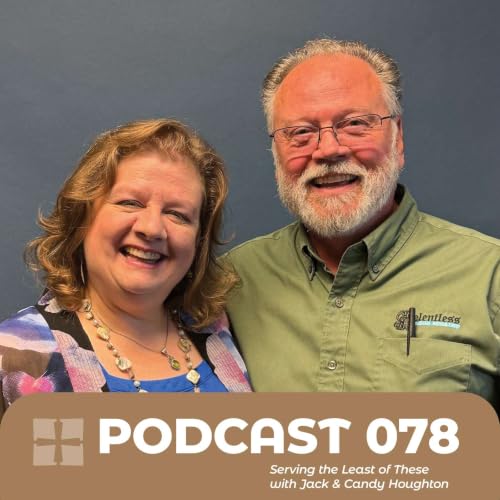
  • POD 078 | Serving the Least of These with Jack & Candy Houghton
    Oct 1 2026

    Serving the Least of These | POD 078


    Hosts: Paul Brandes

    Guests: Jack & Candy Houghton


    Introduction

    In this episode, Paul Brandes talks with Jack and Candy Houghton of Relentless Prison Ministry about their journey into prison ministry, the transformative power of grace and forgiveness among incarcerated men, and how they witness lives being changed inside Lansing Correctional Facility.


    3 Main Takeaways

    1) Transformation and Community Behind Bars

    Jack and Candy share powerful stories of inmates finding purpose, forgiveness, and faith through the work of Relentless Prison Ministry, especially within Building A5, which has become a model of positive community and transformation within Lansing Correctional Facility.


    2) Forgiveness is Central

    Many incarcerated individuals struggle to forgive themselves or believe they can be forgiven, but through programs like trauma healing classes and genuine one-on-one connections, Jack emphasizes that realizing God’s forgiveness is a pivotal moment that often leads to personal growth and a desire to help others.


    3) Anyone Can Make a Difference

    Candy encourages listeners not to be afraid of volunteering and to be open to seeing where God leads them, highlighting that practical needs range from teaching and spiritual support to simply spending time with residents, playing games, or sharing music and events.


    Resources

    https://relentlesspm.org


    Timestamps


    01:05: Jack Houghton shares his origin story—how losing his wife and asking, “What now, Lord?” led to his first experience inside a prison and his calling into prison ministry.


    04:53: Jack describes the development of A5, their unique pod within the prison focused on community and transformation, and the philosophy behind welcoming residents.


    09:01: Jack explains the transformative power of Jesus’ name within the prison, detailing how gang members are released from their gangs if they truly follow Jesus.


    12:11: Jack recounts a pivotal story of forgiveness and transformation, where a resident chooses to forgive a personal wrong rather than seek revenge.


    25:40: Jack tells a moving story about a resident’s trauma from childhood and how the ministry helped him move toward healing and family reconciliation.


    Keywords

    Prison ministry, Relentless Prison Ministry, Lansing Correctional Facility, Transformation, Forgiveness, Second chances, Community, Trauma healing, Grace, Incarceration, Volunteers, Rehabilitation, Faith, Gang activity, Redemption


    Show More Show Less
    31 mins
  • POD 077 | Following Jesus in Life with Keas Keasler
    Sep 17 2026
    Title Following Jesus in Life | POD 077Hosts: Jacob Nannie & Paul BrandesGuests: Keas KeaslerIntroductionIn this episode, Paul Brandes and Jacob Nannie interview Keas Keasler about his book Kingdom Apprenticeship, exploring Dallas Willard’s ideas on spiritual formation, apprenticeship to Jesus, and how these concepts impact everyday life and the church’s mission.3 Main Takeaways1) Apprenticeship to Jesus Over Sin ManagementKeas Keasler stresses that Dallas Willard's core invitation is not just practicing spiritual disciplines or managing sin, but becoming apprentices to Jesus—a "learning friendship with a living person" that shapes both individual character and community (06:40, 10:28).2) Integration of Spiritual Formation and Missional LivingA key motivation for Keas Keasler's book, Kingdom Apprenticeship, was to bridge the often separate worlds of spiritual formation and missional living, helping Christians see that true transformation involves both inward change and outward engagement (02:20, 06:17).3) Everyday Life as Spiritual FormationThe episode highlights Willard’s “Golden Triangle” concept, especially the idea that ordinary life events and daily decisions are crucial to spiritual growth. Apprenticeship happens not just in church or through disciplines, but in how we live and make choices in all of life, especially in the mundane "Monday world" (31:05, 32:21).ResourcesKingdom ApprenticeshipThe Divine ConspiracyThe Spirit of the DisciplinesTimestamps01:24: Paul Brandes asks Keas Keasler about the motivation behind writing Kingdom Apprenticeship and what the core invitation is in Dallas Willard's work that the church needs to recover.06:40: Keas explains that Dallas Willard was ultimately about apprenticeship to Jesus, not just spiritual disciplines, highlighting the need for real-life apprenticeship as key to personal and societal transformation.10:28: Keas introduces the concept of "intelligent mysticism," describing a relational, experiential knowing of Jesus rather than just knowing about him.31:05: Keas describes Dallas Willard’s "Golden Triangle” of spiritual formation, emphasizing the role of ordinary events of life (not just spiritual disciplines) in forming character and apprenticeship to Jesus.35:09: Keas discusses the difference between merely trying and intentional training in spiritual life, using examples from athletics and the civil rights movement to illustrate the importance of training for Christlike character.KeywordsDallas Willard, Spiritual formation, Missional vision, Apprenticeship, Discipleship, Character formation, Intelligent mysticism, Kingdom Apprenticeship, Learning friendship, CommunityHoly Spirit, Spiritual disciplines, Ordinary life, Mentoring, Training vs. trying
    Show More Show Less
    46 mins
  • POD 076 | Fall Rhythms with Deb Tosh & Carolyn Poage
    Sep 10 2026

    Fall Rhythms | POD 076


    Hosts: Jacob Nannie

    Guests: Carolyn Poage & Deb Tosh


    Introduction

    This episode explores how the arrival of fall brings shifts in routines and busyness, especially with the start of the school year. Carolyn, a pastor and mom of three, and Deb, a retired school nurse and grandmother, discuss how to stay connected to God amid hectic schedules, competing responsibilities, and changing life seasons. The conversation highlights the importance of grace, presence, and sustainable spiritual rhythms, offering practical insights for navigating both the demands and blessings of fall.


    3 Main Takeaways

    1. Embrace Grace, Not Perfection, in Spiritual Rhythms

    Both Carolyn and Deb emphasize that connecting with God doesn’t require rigid routines or perfection. During busy seasons, especially in the fall, it’s important to let go of unrealistic expectations—whether for ourselves or our families—and to instead seek God in the everyday moments, embracing grace even when our spiritual practices don’t look ideal (05:02, 25:26).


    2. Ordinary Life Is Where Connection with God Happens

    Everyday activities—driving kids, walking outside, or even the stresses of work—can become cues for prayer and gratitude. Both speakers describe how God meets us in these ordinary, sometimes chaotic, moments, and that discipleship often happens in small, daily interactions rather than set-apart, uninterrupted times (08:00, 09:00, 10:01).


    3. Community Is Essential in All Seasons

    The conversation underscores how friends, church groups, mentors, and intergenerational relationships provide practical and spiritual support, especially when personal rhythms feel inconsistent. Being open, visible, and plugged into community isn't just helpful—it’s foundational for encouragement, accountability, and experiencing communal grace (18:44, 19:54, 22:44).


    Resources


    Lamentations 3:22–23, referenced by Carolyn as a reminder of God's steadfast love and new mercies each day (27:28).


    Matthew 11:28–30, referenced by Deb as a comfort for those who are weary, emphasizing coming to Jesus with burdens (27:54).

    Timestamps


    05:02 — Carolyn reflects on the difference between life-giving spiritual rhythms and spiritual performance, emphasizing God's desire for connection over achievement.


    07:15 — Deb shares how she experienced God's presence during her work as a school nurse, especially through coworkers and everyday moments.


    09:09 — Carolyn describes transforming the stress of busy afternoons driving her kids by intentionally inviting God into those moments and creating a liturgy for school pickup.


    12:07 — Deb discusses what she wishes she had understood about God’s sovereignty, busyness, and faithfulness during her working years.


    24:21 — Deb and Carolyn offer one small, sustainable spiritual practice for fall, along with encouragement to release unrealistic expectations.


    Keywords

    Fall, Rhythms, Routine, Busyness, Grace, Spiritual rhythms, God's presence, School year

    Prayer, Community, Rest, Seasons, Family, Slowing down, Spiritual practices


    Show More Show Less
    29 mins
  • POD 075 | Jonah, Mission, and the Heart of God with Gloria Van Den Bosch
    Aug 27 2026


    Introduction

    Gloria Van Den Bosch joins our conversation focusing on global mission, cross-cultural ministry, and understanding the heart of God for people from every nation. One concept discussed was how the story of Jonah challenges personal biases about who deserves mercy and highlights God's compassion toward all people. The discussion explores personal experiences in vocational mission, the importance of being available to serve both locally and globally, and practical ways to live with a mission mindset wherever one is placed.


    3 Main Takeaways

    1) God’s Mercy Extends Beyond Boundaries

    Jonah’s story reminds us that God’s mercy is not limited by our personal preferences, prejudices, or sense of justice. He pursues and loves people we might avoid or struggle to care for, and calls us to do the same—even with those who have hurt us or whom we see as enemies. This challenges us to wrestle honestly with our own hearts and to ask if we truly desire mercy for all people, not just those like us (02:13).


    2) Mission Starts at Home

    Successful vocational missionaries are those who are already serving and loving people where they are. Churches play a vital role by equipping and supporting individuals (17:45).


    3) Every Christian Is Called to Be on Mission—Here or There

    A mission mindset is not reserved solely for those who go overseas. All followers of Jesus are invited to be faithful wherever God has placed them—whether as parents, coworkers, friends, or neighbors. This means being intentional about noticing and serving others, building relationships with those who might be overlooked, and praying for people both locally and globally. Prayer, in particular, is highlighted (20:27).


    Resources
    https://reachglobal.ministries.efca.org/

    Timestamps


    02:13 – Gloria reflects on what the book of Jonah teaches about God's heart for mercy that extends beyond our personal preferences and prejudices, challenging listeners to wrestle with their own willingness to see God love those they've struggled to love.


    04:16 – Gloria recounts the unexpected call into cross-cultural mission, describing the pivotal church presentation that changed her family’s direction toward serving in Romania.


    15:56 – Gloria discusses the lack of preparation and models for missionary care when she and her husband began, and how their journey shaped their later work assessing and training missionaries.


    20:27 – Gloria offers practical advice for developing a mission mindset wherever you are: noticing who God might want you to see, being intentional in prayer, and redefining success as faithfulness rather than busyness.


    23:07 – Gloria challenges listeners to build relationships with overlooked people and those they might consider enemies, emphasizing that God’s heart and mission are broader than our own comfort zones.


    Keywords

    Mission, Jonah, Mercy, Cross-cultural, Romania, Calling, Vocational missionary, Prayer,

    Church planting, Support, Discernment, Compassion, Training, Community, Faithfulness


    Show More Show Less
    31 mins
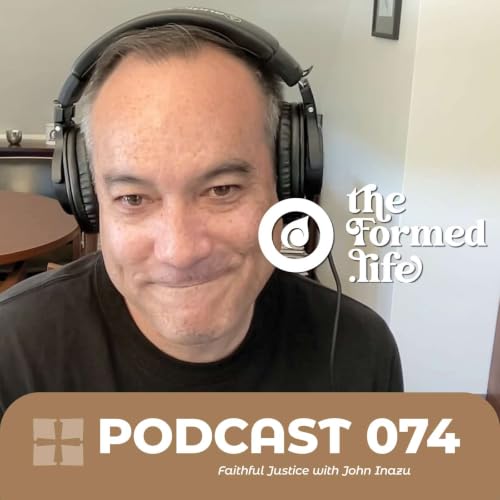
  • POD 074 | Faithful Justice with John Inazu
    Aug 13 2026


    This podcast conversation focuses on the concept of justice from a Christian perspective, exploring its biblical roots, especially in the Old Testament prophets, and its relevance in public life. A key theme that emerges is the idea of “proximate justice”—the recognition that perfect justice is unattainable in this world and must be combined with hope in God’s ultimate justice. The discussion explores the limits and importance of law, the responsible role of Christians in politics, and the necessity of disagreeing with empathy and respect.


    3 Main Takeaways


    1. Justice Must Be Paired with Hope


    The conversation focuses on the biblical grounding of justice, emphasizing that ultimate justice is only fully realized in a future hope. Worldly justice, no matter how well-intentioned, is always imperfect and incomplete. The discussion explores the idea that Christians should anchor their understanding of justice on the promises of God and an eschatological vision rather than expecting perfect outcomes in this life (00:00:00, 00:05:25).


    2. The Limits and Importance of Law and Politics


    A key theme that emerges is the necessary yet limited role of law and political engagement in pursuing justice. Law is vital for human flourishing and protecting the vulnerable, but it is inherently coercive and cannot bear the full weight of the kingdom of God. Several points are raised, including the dangers of investing ultimate hope in political outcomes and the reminder that Christians’ ultimate allegiance is not to any nation or political party (00:08:39, 00:11:07, 00:29:06).


    3. Forgiveness and Empathy are Central to Faithful Public Life


    One concept discussed is the necessity of forgiveness and empathy in addressing injustice and navigating disagreements. Justice is advanced not only through laws or policies but through the everyday, sometimes small, practices of making things right and extending forgiveness—even in situations where perfect justice isn’t attainable. The discussion explores empathy—not as full identification with another, but as a Christlike effort to understand and care—alongside practices of hospitality, neighborliness, and patient engagement with those who differ (00:15:15, 00:19:02, 00:24:19).


    Resources


    Uncommon Ground: Living Faithfully in a World of Difference


    Learning to Disagree: The Surprising Path to Navigating Differences with Empathy and Respect


    Socials


    Timestamps


    00:01:02 The discussion explores the central question of what faithful Christian justice looks like in both Scripture and public life, establishing the foundation for the episode's theme.


    00:05:25 One concept discussed is the idea of "proximate justice"—that in this world, justice is always partial and imperfect, leading to a vital connection between hope and justice.


    00:09:08 The conversation focuses on the role of law in society, emphasizing its necessity but also its limitations and reliance on coercive power.


    00:12:16 Several points are raised, including the warning against equating the fate of Christianity with the fate of the United States, reminding listeners of the global and historical scope of God's work.


    00:25:05 A key theme that emerges is the real-world impact of forgiveness as a realization of justice, with practical examples illustrating how forgiveness can transcend the limits of legal and societal remedies.


    Keywords

    Justice, Hope, Prophets, Scripture, Proximate justice, Law, Public life, Forgiveness, Empathy

    Political engagement, Disagreement, Pluralism, Conviction, Mercy, Restoration

    Show More Show Less
    35 mins