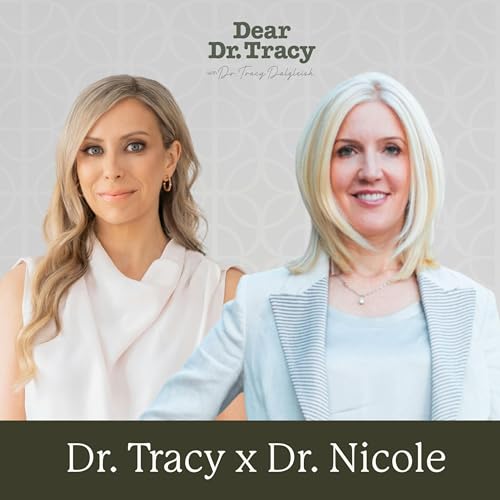
Why Sex Isn't Dessert with Dr. Nicole McNichols cover art

Why Sex Isn't Dessert with Dr. Nicole McNichols

Why Sex Isn't Dessert with Dr. Nicole McNichols

Listen for free

View show details

About this listen

In this episode of Dear Dr. Tracy, Dr. Tracy D is joined by psychologist, professor, and sex researcher Dr. Nicole McNichols for a grounded, shame-reducing conversation about sex, desire, and what actually helps couples build a satisfying intimate life in the real world.Together, they unpack why so many people feel anxious, awkward, or “broken” when it comes to sex, and how much of that is shaped by cultural scripts, misinformation, and silence. Dr. Nicole shares how teaching a university-level sexuality course revealed just how hungry people are for accurate, compassionate education, not just about mechanics, but about autonomy, pleasure, and communication.A big focus of the conversation is what happens to desire in long-term relationships, especially in the parenting years. Dr. Tracy and Dr. Nicole talk about mental load, exhaustion, and the way many women lose access to autonomy and play after becoming moms, and how that directly impacts desire. They explore the difference between spontaneous and responsive desire, why “just schedule sex” often backfires without the right setup, and how to think about pleasure as a cycle rather than a switch you’re supposed to flip on command.They also address common myths about female pleasure, including the reality of female ejaculation, and they challenge the pressure-heavy “how often should we be having sex?” conversation with a more nuanced, research-informed lens. The takeaway is clear: frequency is not a scoreboard, and pressure is a desire killer. Connection, novelty, communication, and a sense of entitlement to pleasure are where things actually shift. What You’ll Learn Why sex isn’t “dessert,” and why treating it like an add-on creates disconnection How shame and cultural scripts keep couples silent, even when they want more intimacy The difference between spontaneous vs. responsive desire (and why responsive desire is common in long-term relationships) Why planning intimacy can work, but only when you support the pleasure cycle and remove pressure How mental load and inequality at home can quietly erode desire What research actually says about frequency (and why those viral “average couples” stats are misleading) The role of novelty, communication, and pleasure in sustaining long-term sexual connection LINKS FROM SHOW Order Dr. McNichols new book. You Could Be Having Better Sex RESOURCES Get Relationship Support ⁠Inside ⁠⁠Be Connected⁠⁠⁠ Order my new book! ⁠⁠⁠You, Your Husband, and His Mother⁠⁠⁠ Want your questions answered on the show?⁠ ⁠⁠⁠⁠Submit them here!⁠⁠⁠ ⁠⁠ Discover your relationship negative cycle with my free quiz:⁠ ⁠⁠⁠⁠Take it here⁠⁠⁠⁠⁠ Ready to deepen your connection?⁠ ⁠⁠⁠⁠Download my 100 Questions⁠⁠⁠⁠⁠ Build better connection and feel close starting today. ⁠⁠Join the⁠ ⁠⁠30 Days to Us Challenge⁠⁠⁠⁠⁠ FOLLOW DR. TRACY Subscribe to the podcast⁠ ⁠⁠https://www.youtube.com/@drtracyd⁠⁠⁠ Follow on Instagram ⁠⁠⁠https://www.instagram.com/drtracyd ⁠⁠⁠Follow on Facebook ⁠⁠⁠https://www.facebook.com/DrTracyD/⁠ Learn more about your ad choices. Visit megaphone.fm/adchoices
No reviews yet
In the spirit of reconciliation, Audible acknowledges the Traditional Custodians of country throughout Australia and their connections to land, sea and community. We pay our respect to their elders past and present and extend that respect to all Aboriginal and Torres Strait Islander peoples today.