Episodes

  • Land and buck and QDM management differences 101 s5e6 movie
    Feb 7 2026

    Land and buck and QDM management differences 101. This is part one of three in a discussion on the differences between Land Management, and Buck management, and of course QDM. We start with the last one QDM. Mike and Karl Discuss QDM. Why most people can't really do it, and even more so the misconception of what QDM really is. In the up coming weeks we will discuss Land Management, and Buck Management in depth on the shows. Lets get into it here we go. Our view of Quality Deer Managements pros, cons, and misconceptions. Thanks for watching and leave us your comment let us know what you do on your properties you hunt. Or are you a meat hunter or hunt to just get out and enjoy the great oppurtunities we have in our great country. Thanks for watching we appreciate each of you.

    Show More Show Less
    23 mins
  • What is hunting success each Year? 5e5
    Jan 31 2026

    What is hunting success each Year? Kathy asked the guys what they think hunting success is each year. The Mike and Karl do their best to describe what they believe hunting success is well at least for them! What do you think hunting success is to you? Put it in the comments. We want to hear what each of you thinks you need to have done to feel successful. We hope you all enjoy the show and the comments from others. Also we have the BS corner. A question or comment of the week at the end of the show where we talk about what we have seen on the socials that we think is complete BS. Give us your two cents on that also. As always we appreciate each of you and have a great week.

    Show More Show Less
    17 mins
  • Regrets when it comes to buck hunting s5e4
    Jan 24 2026

    Regrets when it comes to buck hunting. Mike and Karl are asked by Kevin if they regret anything or have they ever regretted shooting a buck at anytime? Man that is a question for sure the guys have been at this for a lot of years.But Kevin here is what the guys have to say about regretting of shooting any of the animals they have hunted over the last 30yrs, and some of the thoughts they have on why you should never have any regrets on animals you take or hunts or hunting tactics you have or use. But the guys get in some deep thoughts on this one for sure. as always thanks for watching.

    #theobsession #theobsessionpodcast #deerseason #rushoutdoorswi #bowhunting #hunting #deerhunting #deerseason #whitetail #huntinglife #hunting #imatthegymwhereareyou #iminthewoodswhereareyou #huntingtalk

    Show More Show Less
    15 mins
  • Food plots are they ruining your hunting? s5e3
    Jan 17 2026

    Food plots are they ruining your hunting? Becky asked Mike and Karl about foodplots hunting them locations on where and when to hunt them. Do we think they are ruining your hunt? Heck ya we think so here is why.

    The consensus among many seasoned hunters is that while food plots are excellent for habitat and herd health, hunting them incorrectly or too often can absolutely ruin your hunting opportunities by educating deer to avoid the area during daylight hours. The key issue is not the food plot itself, but the hunting pressure and access/exit strategies surrounding it.

    Here is a breakdown of why food plots can seem to ruin your hunt, and the general locations and times recommended for hunting them effectively:

    Why Food Plots Can Ruin Your Hunt

    Educating Deer: The biggest problem is overhunting, which quickly teaches mature bucks to only visit the plots after dark. Deer are highly sensitive to human presence (scent, sight, sound) and will adapt their movement patterns to avoid danger.

    Poor Access Routes: If your entry and exit routes to the stand cross through staging areas or bedding cover, you will spook deer before you even settle in, making the entire area unproductive. Unrealistic Expectations: Many hunters expect deer to appear in daylight simply because a plot exists. If the plot lacks adequate nearby cover, or is in a high-pressure area, deer will not feel secure enough to use it during the day.

    Focus on the Wrong Time/Location: Hunting destination plots (large, primary food sources) is often ineffective for mature bucks, who prefer to use staging areas just inside cover before committing to the open plot at dark.

    Locations and When to Hunt Them

    Instead of hunting directly over the main food source, experts like Mike and Karl (implied from the user's prompt context and general hunting advice) advocate for a more strategic approach: Hunt Staging Areas: The most consistent success for mature bucks is found in transition areas or "staging areas" between bedding cover and the main food plot. Set up stands in these locations (often 50-100 yards away from the plot itself) where bucks feel safer during daylight hours. Use "Sanctuary" Plots: Designate certain high-quality plots as sanctuaries where you never hunt. This gives the deer a safe place to feed, encouraging consistent use of your property. Plan Access First: Only place stands where you can access them without being detected by deer. Access and exit routes should be planned based on prevailing winds and terrain to remain scent-free and out of sight.

    Match Plot Type to Season: Early Season:

    Small staging plots near bedding areas are highly effective. The Rut: Focus shifts to doe bedding areas and travel corridors, with food plots being effective during specific conditions or in conjunction with these other areas. Late Season: Large, nutritious destination plots (like standing grains or brassicas) become more valuable as other food sources diminish.

    Hunt Sparingly: Hunt premier food plot locations only a maximum of one or two times per season, and only when conditions are perfect (e.g., the right wind, just before a weather front). Ultimately, food plots are a powerful tool for habitat management, but success in hunting them depends heavily on managing hunting pressure and employing smart, strategic positioning away from the main food source to ambush deer in more secure, natural movement areas.

    Show More Show Less
    22 mins
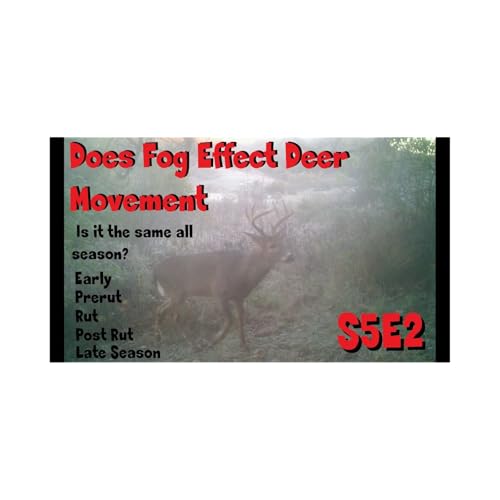
  • Fog and does it effect deer movement for your hunt s5e2 movie
    Jan 12 2026

    Mike and Karl, hosts of The Obsession Podcast, have discussed how fog can influence deer movement, noting that the condition of the fog—its density and duration—plays a role in hunting success. They and other hunters have observed both positive and negative scenarios for buck movement depending on the fog's characteristics. Findings on Fog and Deer Movement Here is a summary of the points discussed by Mike and Karl, supported by general hunting consensus: Positive Scenarios (Good Fog): Increased Sense of Security: Many hunters, including those sharing opinions on Facebook, believe deer feel safer and more likely to move in the fog due to reduced visibility, which they use to their advantage. Delayed Morning Movement: Deer may move later into the morning, especially as the fog begins to lift or "burn off," providing opportunities for hunters who stay in their stands longer. Enhanced Scenting Conditions: The high humidity and dampness associated with fog can increase a deer's ability to smell, potentially making them move more cautiously but also providing advantages to a hunter who manages their wind effectively. Negative Scenarios (Bad Fog): Extremely Diminished Visibility: Very dense fog significantly limits a hunter's visibility, making it difficult to spot or take a clean shot at a distance, which can decrease confidence. Secretive Behavior: Some research suggests that whitetails become more secretive and movement can be minimal during periods of dense, unsettled weather associated with low-pressure fronts that bring fog. Scent Pooling: The dense air in foggy conditions can cause scent to "pancake" or hug the ground, making wind direction crucial and increasing the risk of a deer smelling the hunter and spooking. Summary of Best Practices Based on their experiences and documented findings, the guys suggest: Stay in the stand longer, past first light, as movement may occur later in the morning. Be meticulous with scent control and pay strict attention to wind direction, as scent behaves differently in dense, humid air. Set up in locations where you anticipate deer movement once the fog begins to clear, such as field edges or transition areas, as movement often increases right after the fog lifts. What specific type of terrain do you typically hunt in when faced with foggy conditions, and would you like some tips for setting up in that environment?

    Show More Show Less
    15 mins
  • 2025 end of year discussion the good and bad s5e1 movie
    Jan 5 2026

    2025 end of year discussion the good and the bad from this season things we learned, and some things we want to forget! Karl and Mike discuss the season. We also hit on a couple of your questions and thank you all for watching this season. We share the success from many of our listeners. Happy New year to all of you, and as always we appreciate each of you. Thanks for watching.

    Show More Show Less
    50 mins
  • The biggest whitetail mystery? s4e52
    Dec 27 2025

    The biggest whitetail mystery? The guys are asked in thier minds what is the biggest whitetail mystery? Karl and Mike sit down and discuss a few of the major things they have seen over the last 30 plus years of hunting that has been the hardest to understand, or to try and figure out why the whitetails do what they do. Let us know what you think is the hardest thing to figure out when you are hunting your areas. Put it right here in the comments lets have a discussion we want your opinions. As always thanks for watching we apprecaitae each of you, and we hope you had a Merry Christmas. 2026 is just around the corner.

    Show More Show Less
    13 mins
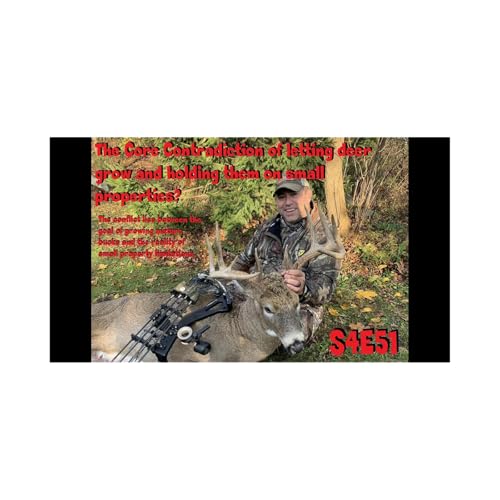
  • The contradiction of letting deer grow and holding them on small properties s4e51
    Dec 20 2025

    The Core Contradiction of letting deer grow and holding them on small properties? The conflict lies between the goal of growing mature bucks and the reality of small property limitations.

    "Letting Them Grow" (The Goal):

    To harvest mature bucks (often 3.5 to 5.5+ years old), you have to pass on younger bucks.

    The mantra is "Let them go, so they can grow."

    This requires a long-term investment of time and restraint. "Holding Them" (The Problem):

    Home Range vs. Property Size: A mature whitetail buck's home range is typically much larger (often 640+ acres or a square mile) than most small hunting properties (e.g., 20, 40, or 80 acres).

    The Risk: You cannot physically "hold" a free-ranging buck on a small property 100% of the time. When you "let him grow" and he wanders off your property (which he inevitably will to feed or breed), he is at risk of being harvested by neighbors who may not share your management goals.

    The Paradox: By improving your land to hold more deer, you may attract more bucks, but you also risk feeding and housing them only for them to get shot the moment they cross your fence line.

    Common Discussion Points on This Topic

    Becoming the "Core" Area: Accepting that you can't hold a deer 24/7, but striving to be the place where he spends his daylight hours (bedding) or feels safest.

    The Sanctuary Concept: Designating a large percentage of a small property as a "no-go" zone for humans so deer feel virtually unpressured, encouraging them to stay during daylight.

    Neighborhood Co-ops: Trying to build relationships with neighbors to get everyone on the same page about age-structure goals (though this is often difficult).

    Attraction vs. Pressure: The balance of improving habitat (food plots, timber stand improvement) without pressuring the deer off the property with too much human activity.

    Show More Show Less
    22 mins