


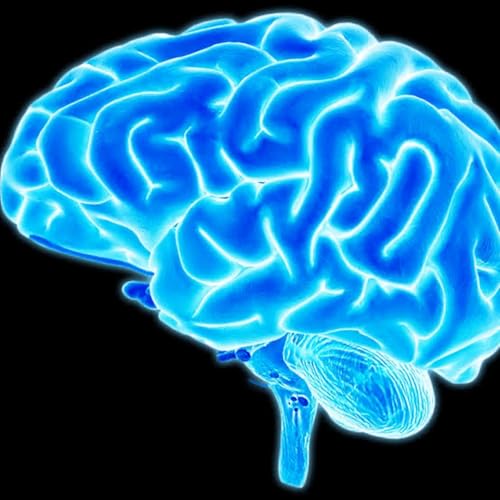
Secondary Brain Injury & Neuroprotection
Failed to add items
Add to basket failed.
Add to Wish List failed.
Remove from Wish List failed.
Follow podcast failed
Unfollow podcast failed

Secondary Brain Injury & Neuroprotection
-
Narrated by:
-
By:
About this listen
Secondary brain injury is an indirect injury caused by physiological changes that are triggered by an acute CNS insult (e.g., traumatic brain injury, stroke, cerebral hypoxia secondary to cardiac arrest) and/or the management of the primary insult. Unlike primary brain injury, which refers to the direct, immediate, and potentially irreversible neuronal damage from an acute CNS insult, secondary brain injury is preventable or can be minimized with the early administration of neuroprotective measures. Neuroprotective measures involve the early and aggressive control of factors that are implicated in the etiology of secondary brain injury. Such measures include optimization of oxygenation, ventilation, blood pressure, blood sugar, body temperature, intracranial pressure, and electrolyte levels. In addition, seizure prophylaxis and treatment, nutritional support, and patient positioning are important aspects of neuroprotective measures.