The Architecture of Fragility
The Secret Meetings and Hidden Erasures That Control Your Wealth
We’re taught to believe the global financial system is permanent, rational, and governed by neutral math. It isn’t.
Money is not a law of nature—it’s a human promise. And history shows that when that promise is quietly altered behind closed doors, trust collapses long before the headlines catch up.
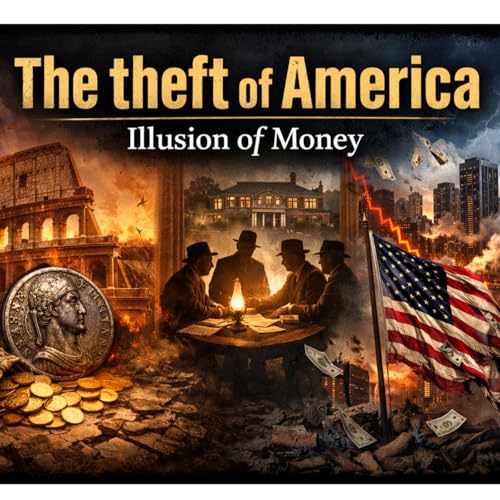
In this episode, we trace the hidden architecture of financial fragility—from ancient Rome to modern central banking—to reveal how wealth is shaped, thinned, and redirected through secrecy, debasement, and crisis-driven power grabs.
What You’ll Learn in This Video:
Money Is a Promise—And It Can Be Diluted The Roman Empire’s fall wasn’t sudden. It began when silver coins were quietly debased, triggering hoarding, inflation, and the collapse of trust. The lesson? When the unit of account is manipulated, society fractures.
Modern Finance Was Designed in Secret Rooms From the Bank of England to Jekyll Island and the creation of the Federal Reserve, today’s financial system wasn’t born through public debate—but through private negotiations among elites and creditors.
Property Rights Are Flexible in a Crisis Bank accounts, safe deposit boxes, real estate, retirement funds, and even crypto held on exchanges can all be frozen, seized, or redirected during emergencies. Ownership often ends where state necessity begins.
Currency Collapse Is a Slow Bleed, Not a Crash The British Pound didn’t fall overnight—it faded through decades of debt, denial, and prestige politics. The same quiet signals now appear in today’s global de-dollarization trend.
Debasement Creates a Two-Tiered Society Rome’s solution was gold for elites and debased coins for the public. History shows that when monetary rules differ by class, social trust becomes impossible to restore.
Why This Matters Now
The most dangerous systems are the ones that appear stable. When trust is decreed instead of verified, fragility is already baked in.
True financial resilience means understanding history, reducing visibility, embracing self-custody, and anchoring wealth in assets that don’t rely on political promises.
So ask yourself: Are you building on financial illusion—or verified security?
👇 Watch, analyze, and decide for yourself.


 23 mins
 Feb 12 202638 mins
 35 mins
 28 mins
 19 mins
 36 mins
 Feb 7 202635 mins
 32 mins