• #75 Genetic Testing for Rare Diseases with Amy Patterson
    Jan 5 2026

    Happy New Year listeners! We hope you enjoyed the holidays and are off to a wonderful start of 2026!

    The last episode we released featured our Executive Producer Kira Dineen putting on her genetic counseling hat to explore how genetic counselors can help those in the rare disease community. With how much you all enjoyed that “blast from the past” episode, we thought we would bring you one more before our new episodes of 2026 kick off.

    So we are continuing on the topic of rare diseases genetics, and revisiting our episode with Amy Patterson, who is a genetic counselor as well. In this conversation she shares with Cathy and Beth about genetic screening and testing available for rare diseases including her speciality of skeletal dysplasia.

    Genetic Counselor Amy Patterson shares about genetic screening and testing available for rare disease including her speciality of skeletal dysplasias.

    Amy Patterson (she/her) is a licensed pediatric and adult genetic counselor in the Johns Hopkins Department of Genetic Medicine. She primarily works with patients in the Greenberg Center for Skeletal Dysplasias as well as the General Genetics clinic. Especially in the skeletal dysplasia space, Amy works to promote a holistic patient experience, including psychosocial counseling, connection with patient advocacy groups, informed consent, genetic testing and interpretation of results, coordination of care, and discussion of research options. Amy was a LEND Fellow and graduated from the Boston University Genetic Counseling program in 2021. She has focused much of her research and clinical work on the intersection of rare conditions, disability, and patient advocacy.

    Amy initially started advocating in the rare disease space due to her best friend’s sibling’s rare genetic disorder, Congenital Hyperinsulinism. We actually interview their mother on Episode 37 of It Happened To Me. As a high schooler, Amy started educating their peers and community about rare disease on Rare Disease Day every year. After moving to Boston, she started volunteering at a Community Engagement Liaison for the Rare Action Network (RAN), the advocacy branch of NORD, then became the RAN Massachusetts State Ambassador. Through this work, she started putting on Rare Disease Day events at Boston Children's Hospital, and now at Johns Hopkins Hospital as a genetic counselor. Rare Disease Day allows all rare disease stakeholders to come together to share their experiences and continue to learn. Amy is passionate about this global effort to raise awareness and advocate for improved quality of life, diagnosis, and access to care for Rare patients and families.

    Want to listen to our other episodes with genetic counselors?

    In Episode 4, our Executive Producer, Kira Dineen, who is also a genetic counselor, shares how genetic counselors can help people navigate having a rare disease.

    In Episode 7, Genetic Counselor Karen Grinzaid explains prenatal and cancer genetic testing. Kira also joins as a guest host since this is her area of expertise.

    Want to speak to a genetic counselor? Find one in your area via FindAGeneticCounselor.org.

    Stay tuned for the next new episode of “It Happened To Me”! In the meantime, you can listen to our previous episodes on Apple Podcasts, Spotify, streaming on the website, or any other podcast player by searching, “It Happened To Me”.

    “It Happened To Me” is created and hosted by Cathy Gildenhorn and Beth Glassman. DNA Today’s Kira Dineen is our executive producer and marketing lead. Amanda Andreoli is our associate producer. Ashlyn Enokian is our graphic designer.

    See what else we are up to on Twitter, Instagram, Facebook, YouTube and our website, ItHappenedToMePod.com. Questions/inquiries can be sent to ItHappenedToMePod@gmail.com.

    Show More Show Less
    43 mins
  • #74 Genetic Counseling for Rare Diseases with Kira Dineen [Re-Release]
    Dec 15 2025

    Happy holidays listeners! With the year coming to an end, Cathy Gildenhorn, Beth Glassman, and our Executive Producer Kira Dineen have been reflecting back on a full three years of “It Happened To Me”. We’ve produced nearly 75 episodes and learned so much along the way. A good chunk of them have been exploring rare diseases and hearing people’s journeys from early symptoms, to diagnosis, to treatment, and beyond. With this in mind, we want to revisit an episode that takes a more macro view on rare diseases.

    If you're a long time listener of the show, you may know Kira Dineen is not only produces the show, but is also a practicing genetic counselor, so we thought it would be interesting to bring her in front of the mic in this episode to talk about how genetic counselors can help those in the rare disease community.

    Genetic Counselor, and our podcast co-producer, Kira Dineen shares her insight on when to pursue genetic counseling and how genetic counselors can help people in the rare disease community.

    Co-producer Kira Dineen, MS, LCGC, CG(ASCP)CM has over a decade of podcast experience fueled by a passion for science communication. She has hosted and produced 7 podcasts. Her multi-award winning podcast, "DNA Today", is in the top 1% of podcasts globally. She was accepted into The Podcast Academy and has served as a Blue Ribbon Panelist for The Ambies. Kira received her Diagnostic Genetic Bachelor’s of Science degree at the University of Connecticut and is a certified Cytogenetic Technologist. She received her Master’s of Science in Human Genetics at Sarah Lawrence College in New York and is a licensed certified genetic counselor currently practicing in Connecticut.

    On This Episode We Answer:

    • When should a person or couple consider genetic counseling?

    • Is a referral required to see a genetic counselor?

    • Does insurance cover genetic counseling for this?

    • Is genetic testing done before the visit?

    • How many visits are we talking about?

    • Do you ever suggest adoption as an option? When?

    • How do you help people with genetic conditions?

    • Why get tested at all?

    • What have you learned from interviews with patients and rare disease advocates?

    • Do you recommend joining rare disease advocacy groups?

    • Why study rare diseases?

    • What is CRISPR? How could this help treat…or even cure…genetic conditions?

    • You produce a rare disease podcast that focuses on nano rare diseases. What’s a nano-rare disease?

    Stay tuned for the next new episode of It Happened To Me! In the meantime, you can listen to our previous episodes on Apple Podcasts, Spotify, streaming on the website, or any other podcast player by searching, “It Happened To Me”.

    It Happened To Me is created and hosted by Cathy Gildenhorn and Beth Glassman. Steve Holsonback is our media engineer and co-producer. DNA Today’s Kira Dineen is our marketing lead and co-producer. Ashlyn Enokian is our graphic designer.

    See what else we are up to on Twitter, Instagram, Facebook, YouTube and our website, ItHappenedToMePod.com. Questions/inquiries can be sent to ItHappenedToMePod@gmail.com.
    Show More Show Less
    32 mins
  • #73 Running Toward a Cure: NF2 Advocate Becomes Marathon Runner to Raise Awareness & Funds
    Dec 1 2025

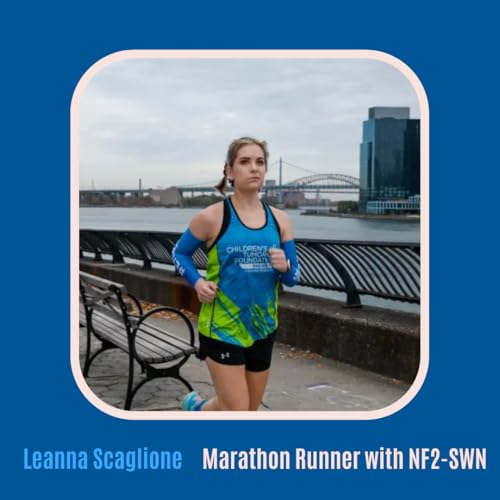
    In this uplifting episode, hosts Beth Glassman and Cathy Gildenhorn sit down with Leanna Scaglione, a powerhouse rare disease advocate and marathon runner living with NF2-Related Schwannomatosis (NF2-SWN), formerly known as neurofibromatosis type 2.

    Diagnosed at just 16 years old, Leanna’s life changed dramatically when tumors were discovered in her nervous system, a hallmark of NF2-SWN. Many would have slowed down. Instead, Leanna sped up.

    Today, she has:

    • Completed multiple marathons, including Berlin and New York City
    • Participated in clinical trials
    • Become an advocate and 2025 Ambassador for the Children’s Tumor Foundation
    • Set her sights on becoming the first person with NF2 to complete all 7 Abbott World Marathon Majors

    Her message is powerful: a diagnosis doesn’t define the finish line.

    In This Episode, We Discuss:
    • What NF2-SWN is and how it impacts the nervous system
    • The emotional toll of receiving a life-altering diagnosis as a teenager
    • Losing a dream — and finding a new one
    • Running marathons through surgeries, treatments, and uncertainty
    • How advocacy and visibility can change the rare disease landscape
    • Building a life rooted in resilience, purpose, and possibility
    About Our Guest:

    Leanna Scaglione is 34 years old living with NF2-Related Schwannomatosis (NF2-SWN). Ever since being diagnosed at 16 years old, she has refused to live defined by her diagnosis.

    From relearning to walk, participating in immunotherapy drug trials, and going through numerous surgeries she has defied the odds against her. Most recently she has undergone surgery to remove her right acoustic neuroma.

    She continues to live her best life as an endurance runner, sharing her story and experiences living with NF2 in hopes to spread awareness, motivate her community and rally for a cure.

    Resources:

    • Children’s Tumor Foundation
      • NF2 Accelerator: A Strategic Portfolio Approach to End NF2
    • Articles Explaining NF2
      • MedlinePlus
      • GeneReviews
      • National Organization for Rare Disorders (NORD)
    • Research from China that Leanna reference for a gene therapy for NF2
      • Yuan R, Wang B, Wang Y, Liu P. Gene Therapy for Neurofibromatosis Type 2-Related Schwannomatosis: Recent Progress, Challenges, and Future Directions. Oncol Ther. 2024 Jun;12(2):257-276. doi: 10.1007/s40487-024-00279-2. Epub 2024 May 17. PMID: 38760612; PMCID: PMC11187037.
    • Additional Research Articles
      • Alexandra K. O’Donohue, Samantha L. Ginn, Gaetan Burgio, Yemima Berman, Gabriel Dabscheck, Aaron Schindeler, The evolving landscape of NF gene therapy: Hurdles and opportunities, Molecular Therapy Nucleic Acids, Volume 36, Issue 1, 2025, 102475 ,ISSN 2162-2531, https://doi.org/10.1016/j.omtn.2025.102475.
    Connect With Us:

    Stay tuned for the next new episode of “It Happened To Me”! In the meantime, you can listen to our previous episodes on Apple Podcasts, Spotify, streaming on the website, or any other podcast player by searching, “It Happened To Me”.

    “It Happened To Me” is created and hosted by Cathy Gildenhorn and Beth Glassman. DNA Today’s Kira Dineen is our executive producer and marketing lead. Amanda Andreoli is our associate producer. Ashlyn Enokian is our graphic designer.

    See what else we are up to on Twitter, Instagram, Facebook, YouTube and our website, ItHappenedToMePod.com. Questions/inquiries can be sent to ItHappenedToMePod@gmail.com.

    Show More Show Less
    37 mins
  • #72 Wolfram Syndrome Expertise from Dr. Fumihiko Urano [Re-Release]
    Nov 18 2025

    We’re re-releasing one of our most popular episodes, an important conversation with Wolfram syndrome expert Dr. Fumi Urano.

    We’re bringing this episode back in honor of Diabetic Eye Disease Month, and because it’s the perfect follow-up to our last episode featuring Dr. Rachel Hyman and our very own co-host Cathy Gildenhorn as guests. Their experiences with the milder, adult-onset variant of Wolfram syndrome sparked so much interest, we knew this episode needed another moment in the spotlight.

    You’ll hear Cathy interview Dr. Urano, her lead physician, about symptoms, diagnosis, and promising research underway to help people with rare neurodegenerative disorders like Wolfram syndrome.

    We are thrilled to have Dr. Fumihiko Urano on “It Happened To Me” as he is our co-host Cathy’s lead doctor, for her variant of the rare disease, Wolfram Syndrome.

    Fumihiko “Fumi” Urano, MD, Ph.D., is a Physician and Medical Researcher specializing in Wolfram syndrome, characterized by juvenile-onset diabetes, vision loss, and neurodegeneration. Dr. Urano is a Professor of Medicine and Pathology & Immunology, an attending physician at Endocrinology Genetics Clinic, and currently holds Samuel E. Schechter Endowed Professorship in Medicine at Washington University Medical Center, St. Louis, USA. Dr. Urano is a driving force in the study of Wolfram syndrome and Related Disorders, including WFS1-related disorders/Wolfram-like disorders. As the Director of the Wolfram Syndrome and Related Disorders Clinic and Study at Washington University Medical Center, Dr. Urano has been leading the clinical, translational, and interventional studies of Wolfram syndrome and Related disorders. Dr. Urano's collaboration with colleagues at the medical center and around the world has allowed him to develop cutting-edge treatments for this disease, including gene therapy and regenerative therapy.

    Learn more on their Wolfram syndrome website, wolframsyndrome.wustl.edu. If you want to reach out directly you can contact the Research Nurse Coordinator Stacy Hurst, RN, CDE by calling 314-747-3294 or emailing shurst@wustl.edu.

    During the episode Dr. Urano mentioned two episodes of “It Happened To Me”: during this episode. The first was our interview with Dr. Gladstone in Episode 5. He also gave a shoutout to our conversation with Stephanie Snow Gebel (Snow Foundation) in Episode 9.

    Stay tuned for the next new episode of “It Happened To Me”! In the meantime, you can listen to our previous episodes on Apple Podcasts, Spotify, streaming on the website, or any other podcast player by searching, “It Happened To Me”.

    “It Happened To Me” is created and hosted by Cathy Gildenhorn and Beth Glassman. DNA Today’s Kira Dineen is our executive producer and marketing lead. Amanda Andreoli is our associate producer. Ashlyn Enokian is our graphic designer.

    See what else we are up to on Twitter, Instagram, Facebook, YouTube and our website, ItHappenedToMePod.com. Questions/inquiries can be sent to ItHappenedToMePod@gmail.com.

    Show More Show Less
    34 mins
  • #71 When the Diagnosis Comes Late: Navigating Adult Wolfram Syndrome
    Nov 3 2025
    In this insightful episode of It Happened To Me, hosts Beth Glassman and Cathy Gildenhorn (in a rare guest role!) sit down with Dr. Rachel Hyman, a clinical psychologist from Seattle whose experience with Wolfram syndrome was recently featured in The Washington Post here. Wolfram syndrome is a rare genetic disorder that affects vision, blood sugar regulation, and neurological function. Often diagnosed in childhood, it can present very differently from one person to another, and in this episode, we hear from two women living with a milder, adult-onset form of the condition, most common among those of Ashkenazi Jewish descent. Rachel and Cathy open up about the long diagnostic odyssey, early symptoms that were misunderstood, and how it feels to finally have a genetic explanation after years of uncertainty. They share how they’ve each learned to adapt, from managing diabetes and vision loss to embracing new technologies that restore independence. Their stories highlight the power of self-advocacy, medical persistence, and community, reminding listeners that awareness is often the first step toward better care and future research. In This Episode, You’ll Learn: What Wolfram syndrome is and how symptoms are on a spectrum Rachel’s diagnostic journey from gestational diabetes to genetic confirmationCathy’s daily strategies for living with vision loss, pre-diabetes, and sensory changesThe role of technology and accessibility tools in maintaining independenceHow emotional resilience and community support help patients face uncertain prognosesThe critical importance of genetic testing and awareness for rare neurodegenerative diseasesHope for the future of Wolfram research and patient advocacy About the Guests Dr. Rachel Hyman Rachel Hyman is a clinical psychologist based in the Seattle area. She specializes in working with older teens and young adults navigating anxiety and depression and serves as adjunct faculty at Antioch University, where she supervises doctoral students in psychology. Rachel’s personal journey with Wolfram syndrome was featured in The Washington Post, shedding light on this underrecognized condition and the importance of accurate genetic diagnosis. Cathy Gildenhorn Usually behind the mic as co-host of It Happened To Me, Cathy joins this episode as a guest to share her own journey with Wolfram syndrome. She has devoted much of her life to improving the lives of others and connecting women to Jewish life and each other. She has served on several local, national and international boards and currently serves on the board of the Florence Melton School of Adult Jewish Learning. Cathy also served as presidential appointee to the United States Holocaust Memorial Council. While a council member, she worked on the opening of the museum. Recommended Resources Jewish Wolfram Network Johns Hopkins’ The Wilmer Eye Institute Wolfram Syndrome and Related Disorders Clinic and Study at Washington University Medical Center The Snow Foundation Relevant Episodes #3 Wolfram Syndrome with Cathy Gildenhorn #9 Wolfram Syndrome with Stephanie Gebel Snow #18 Hattersley-Urano Wolfram Syndrome with Parent Tamara Blum #21 Wolfram Syndrome with Parent Pat Gibilisco #26 Wolfram Syndrome Expertise from Dr. Fumihiko Urano Stay tuned for the next new episode of “It Happened To Me”! In the meantime, you can listen to our previous episodes on Apple Podcasts, Spotify, streaming on the website, or any other podcast player by searching, “It Happened To Me”. “It Happened To Me” is created and hosted by Cathy Gildenhorn and Beth Glassman. DNA Today’s Kira Dineen is our executive producer and marketing lead. Amanda Andreoli is our associate producer. Ashlyn Enokian is our graphic designer. See what else we are up to on Twitter, Instagram, Facebook, YouTube and our website, ItHappenedToMePod.com. Questions/inquiries can be sent to ItHappenedToMePod@gmail.com.
    Show More Show Less
    28 mins
  • #70 The First Spinraza Patients: A Rare Mama’s Advocacy for her Son with SMA
    Oct 20 2025

    In this heartfelt episode of It Happened To Me, hosts Cathy Gildenhorn and Beth Glassman sit down with Nikki McIntosh, a rare disease advocate, writer, and mother whose life changed when her son Miles was diagnosed with Spinal Muscular Atrophy (SMA).

    Nikki McIntosh is the founder of Rare Mamas®, a resource, and community dedicated to supporting and empowering mothers of children with rare diseases. She is the author of Rare Mamas: Empowering Strategies for Navigating Your Child’s Rare Disease and host of the Rare Mamas Rising podcast. Her mission stems from the profound need she felt after her son was diagnosed with a rare disease, fueling her with a passion and purpose to offer a lifeline of hope and connection to other rare moms.

    Nikki is a sought-after speaker and a trusted voice in the rare disease space. From national conferences and patient advocacy group gatherings to biotech industry meetings and media interviews, Nikki passionately advocates for the rare disease community. She lives in Southern California with her husband, Tony, and their sons, Mason and Miles.

    In 2013, at just eighteen months old, Nikki’s youngest son, Miles, was diagnosed with spinal muscular atrophy (SMA)—a rare, degenerative neuromuscular disease. Told there was no treatment, no cure, and that regression was inevitable, Nikki refused to accept a future that offered only decline. She walked away from her career and poured herself into caregiving, advocacy, and an unrelenting search for answers.

    That search led her and her husband to a clinical trial for a drug that showed promise. Miles was enrolled. The treatment was effective. That drug—now known as Spinraza—went on to become the first-ever FDA-approved treatment for SMA.

    From that breakthrough moment, Nikki immersed herself in the world of rare disease advocacy. She began writing down everything she wished she had known at the beginning of their journey. With a deep desire to empower other rare moms, she wrote the book Rare Mamas: Empowering Strategies for Navigating Your Child’s Rare Disease.

    Nikki continues to walk this road alongside her son, and alongside the millions of mothers who are parenting children with rare diseases. She has a deep passion for providing strategies, strength, support, and sisterhood to her fellow rare moms.

    In This Episode, You’ll Learn:
    • What Spinal Muscular Atrophy (SMA) is and how it affects children and families
    • Nikki’s emotional journey from diagnosis to advocacy How her son’s participation in a clinical trial offered hope and insight
    • The inspiration behind Rare Mamas and its empowering message
    • Strategies for parents navigating rare disease diagnoses and complex healthcare systems
    • The importance of building community and finding your voice as a caregiver
    • How to balance hope for new treatments with the daily realities of care
    Resources:
    • Nikki’s website that houses all her projects, RareMamas.com
    • Buy Nikki’s book: Rare Mamas: Empowering Strategies for Navigating Your Child’s Rare
    • Listen to Nikki’s podcast: Rare Mamas Rising
    • Learn more about SMA via MedlinePlus
    • Patient Empowerment Program, another podcast in our science podcast network Gene Pool Media, is hosted by one of the pharmacists that helped develop Spinraza, the first FDA approved treatment for SMA. Miles was part of the clinical trial.

    Stay tuned for the next new episode of “It Happened To Me”! In the meantime, you can listen to our previous episodes on Apple Podcasts, Spotify, streaming on the website, or any other podcast player by searching, “It Happened To Me”.

    “It Happened To Me” is created and hosted by Cathy Gildenhorn and Beth Glassman. DNA Today’s Kira Dineen is our executive producer and marketing lead. Amanda Andreoli is our associate producer. Ashlyn Enokian is our graphic designer.

    See what else we are up to on Twitter, Instagram, Facebook, YouTube and our website, ItHappenedToMePod.com. Questions/inquiries can be sent to ItHappenedToMePod@gmail.com.

    Show More Show Less
    26 mins
  • #69 Breath by Breath: Kenny Kasnett’s Journey Through Lung Disease and Transplant
    Oct 6 2025

    Kenny Kasnett, a seasoned executive and entrepreneur whose life took an unexpected turn with a diagnosis of interstitial lung disease (ILD) joins the podcast for a powerful episode. What began as a persistent cough during a round of golf soon unraveled into a life-threatening condition that would ultimately require a lung transplant.

    Kenny opens up about the diagnostic journey, the emotional toll of living with ILD, and the difficult road leading up to transplant surgery. He shares a behind-the-scenes look at the complexities of preparing for and receiving a lung transplant, from waiting on the national registry to the moment he received the life-changing call.

    But Kenny’s story is more than medical, it’s about resilience, gratitude, and the extraordinary gift of a second chance at life. He speaks candidly about the pain, fear, and vulnerability he faced along the way, and how he leaned on the unwavering support of family, friends, and a stellar medical team.

    We also explore the long-term realities of transplant recovery, from managing medications and monitoring for rejection to navigating new physical limitations with hope and strength. Kenny’s insights offer a beacon of light for others navigating lung disease and chronic illness.

    Topics Covered:
    • Early signs and diagnosis of interstitial lung disease (ILD)
    • Understanding ILD and idiopathic pulmonary fibrosis (IPF)
    • Emotional and physical impact of progressive lung failure
    • Choosing a lung transplant center and navigating evaluations
    • The day of the transplant: fears, preparations, and gratitude
    • Recovery and rehab: from ICU to walking again
    • Long-term care, medications, and monitoring for rejection
    • How this journey reshaped Kenny’s perspective on life
    • Advice for newly diagnosed patients and caregivers
    • The importance of organ donation and honoring the donor
    Guest Bio:

    Kenny Kasnett is an accomplished business leader with decades of experience in finance, homebuilding, and real estate. Beyond his professional roles, Kenny is a lung transplant recipient and fierce advocate for those living with interstitial lung disease. Through his story, Kenny offers hope, encouragement, and critical insights into navigating serious illness with courage and grace.

    Resources & Links:
    • Learn more about Interstitial Lung Disease (American Lung Association)
    • National Jewish Health - Interstitial Lung Disease (ILD) Program
    • Organ Donor Registration – Donate Life

    During the interview, Beth referenced a previous episode of It Happened To Me where the inspiring Zach Ship shared about his experience of getting a kidney transplant, this was Episode #44. The following episode (#45) Zach joined us again to talk about his other medical challenge, experiencing blindness before the age of 30.

    Stay tuned for the next new episode of “It Happened To Me”! In the meantime, you can listen to our previous episodes on Apple Podcasts, Spotify, streaming on the website, or any other podcast player by searching, “It Happened To Me”.

    “It Happened To Me” is created and hosted by Cathy Gildenhorn and Beth Glassman. DNA Today’s Kira Dineen is our executive producer and marketing lead. Amanda Andreoli is our associate producer. Ashlyn Enokian is our graphic designer.

    See what else we are up to on Twitter, Instagram, Facebook, YouTube and our website, ItHappenedToMePod.com. Questions/inquiries can be sent to ItHappenedToMePod@gmail.com.

    Show More Show Less
    40 mins
  • #68 The Hidden Danger in Newborns: OTC Deficiency Explained by a Geneticist and a Mother
    Sep 15 2025

    In this episode of It Happened To Me, we share a story of love, loss, and advocacy in the rare disease community.

    We are joined by Jordan Kruse, whose son, Pruitt, was born with ornithine transcarbamylase (OTC) deficiency, and Dr. Susan Berry, a geneticist at M Health Fairview and professor at the University of Minnesota Medical School, who specializes in rare metabolic disorders like OTC deficiency and helped Pruitt.

    OTC deficiency is a rare urea cycle disorder (UCD) that prevents the body from properly removing ammonia from the blood. This dangerous buildup can cause severe complications, and in Pruitt’s case, tragically ended his life at only six months old.

    Through her grief, Jordan founded The Brave Little One Foundation, honoring Pruitt’s legacy by supporting families facing medical hardship and raising awareness about rare genetic conditions. Together, she and Dr. Berry shed light on:

    • What OTC deficiency is and how it affects the body
    • Why newborn screening doesn’t always catch the condition
    • The role of geneticists and medications in diagnosing and managing OTC deficiency
    • Jordan’s experience advocating for Pruitt’s care in a complex medical system
    • The importance of foundations and rare disease organizations in offering resources and hope
    • What families and healthcare providers need to know about navigating rare disease diagnoses

    Resources:

    • The Brave Little One Foundation
    • National Urea Cycle Disorders Foundation (NUCDF)
    • The Rare Diseases Clinical Research Network (RDCRN Consortia)
    • The Future of Personalized Medicine is Here: Baby KJ received a first-of-its-kind personalized gene editing therapy at CHOP to treat his urea cycle disorder
    • Ornithine transcarbamylase deficiency explained by MedlinePlus

    Stay tuned for the next new episode of “It Happened To Me”! In the meantime, you can listen to our previous episodes on Apple Podcasts, Spotify, streaming on the website, or any other podcast player by searching, “It Happened To Me”.

    “It Happened To Me” is created and hosted by Cathy Gildenhorn and Beth Glassman. DNA Today’s Kira Dineen is our executive producer and marketing lead. Amanda Andreoli is our associate producer. Ashlyn Enokian is our graphic designer.

    See what else we are up to on Twitter, Instagram, Facebook, YouTube and our website, ItHappenedToMePod.com. Questions/inquiries can be sent to ItHappenedToMePod@gmail.com.

    Show More Show Less
    33 mins