Episodes

  • Early Intervention in Autism
    Dec 16 2025

    In Other Words is a podcast from the UCLA Tarjan Center where people with intellectual and neurodevelopmental disabilities interview researchers, policymakers, and experts in the field of developmental disabilities. Each episode takes presentations from the Tarjan Center Distinguished Lecture Series and turns them into clear, plain-language conversations so everyone can understand and join the discussion.


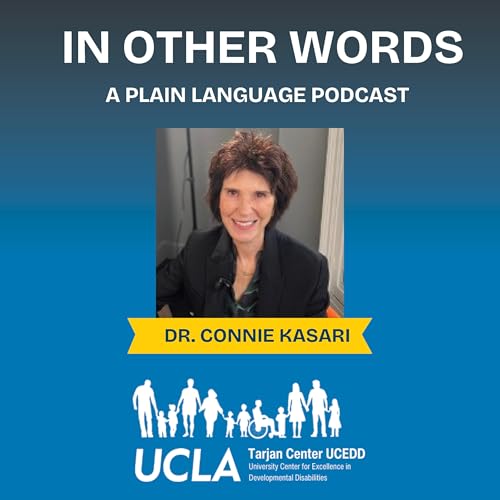
    This episode features Dr. Connie Kasari, Distinguished Professor of Human Development and Psychology at UCLA, and host Holly Oliver, Disability Rights Advocate at the UCLA Tarjan Center.


    Dr. Kasari's research focuses on creating and testing new autism interventions for use in schools and clinics, especially to support young children’s communication and social interactions. Holly and Dr. Kasari explore:

    • Evidence-based intervention strategies for autistic children

    • How early interventions, such as JASPER and AACdevices, can help children with autism develop language, play, and social skills

    • Why language is such an important goal for early intervention

    Show Notes:

    To view this podcast episode with full captions, visit: https://youtu.be/K2QX_tOKV6Q


    To view the entire presentation, Early Intervention: Progress, Gaps and What's Next, visit: https://teams.semel.ucla.edu/tarjan/2025-2026-presentations


    Learn more about the UCLA Tarjan Center: https://teams.semel.ucla.edu/tarjan

    Show More Show Less
    23 mins
  • Autistic Thoughts on Adulthood
    Oct 31 2025

    In Other Words is a podcast from the UCLA Tarjan Center where people with intellectual and neurodevelopmental disabilities interview researchers, policymakers, and experts in the field of developmental disabilities. Each episode takes presentations from the Tarjan Center Distinguished Lecture Series and turns them into clear, plain-language conversations so everyone can understand and join the discussion.

    This episode features Dr. Samara Wolpe, a neuro-affirming autism researcher, clinician, and postdoctoral fellow at the UCLA PEERS Clinic, and host Holly Oliver, Disability Rights Advocate at the UCLA Tarjan Center.

    The journey into adulthood can be challenging for many, but autistic individuals often face unique barriers when services and supports end after high school. Holly and Dr. Wolpe explore:

    • Why the transition to adulthood can be difficult

    • What supports and strategies are most effective

    • How schools, colleges, and workplaces can be more inclusive

    • The importance of centering autistic voices in research and policy

    Show Notes:

    To view the entire presentation, Navigating the Transition to Adulthood: Perspectives of Autistic Individuals, visit: https://teams.semel.ucla.edu/tarjan/2025-2026-presentations


    Learn more about the UCLA Tarjan Center: https://teams.semel.ucla.edu/tarjan

    Show More Show Less
    19 mins
  • Sexuality and Dating on the Autism Spectrum
    Oct 23 2025

    In Other Words is a podcast from the UCLA Tarjan Center where people with intellectual and neurodevelopmental disabilities interview researchers, policymakers, and experts in the field of developmental disabilities. Each episode takes presentations from the Tarjan Center Annual Forum in Neurodevelopmental Disabilities and turns them into clear, plain-languageconversations so everyone can understand and join the discussion.

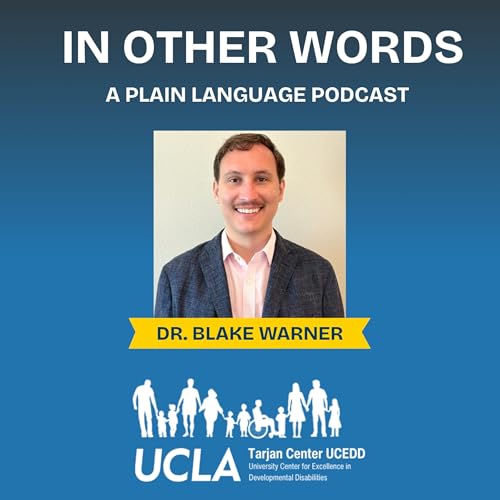
    This episode features Dr. Blake Warner, Postdoctoral Fellow at the UCLA Tarjan Center and Chief Clinical Fellow at the PEERS® Clinic. Dr. Warner’s work focuses on advocacy, inclusion, and supporting equality for neurodiverse people, including those with diverse sexual orientations and gender identities. Host Holly Oliver, Disability Rights Advocate at the UCLATarjan Center, talks with Dr. Warner about the common myths surrounding sexuality on the autism spectrum.

    Together, they discuss:

    • Why open conversations about dating and sexuality matter for autistic people
    • Common myths about autism and relationships —and why they’re not true
    • How sex and relationship education can promoteconfidence and safety
    • Barriers that can make dating difficult forautistic individuals
    • Ways to build healthy, respectful relationships
    • Resources and programs that provide helpfulsupport

    Listen now to hear Dr. Warner share why everyone deserves to learn about relationships and have the chance to build healthy, happy connections.

    Show Notes:
    • Learn more about the UCLA Tarjan Center: https://teams.semel.ucla.edu/tarjan
    • View recordings and slides from the Annual Forum on Neurodevelopmental Disabilities

    • Learn more about the UCLA PEERS clinic: https://teams.semel.ucla.edu/peers


    Show More Show Less
    14 mins
  • Communication Supports for People with Intellectual and Neurodevelopmental Disabilities
    Oct 23 2025

    In Other Words is a podcast from the UCLA Tarjan Center where people with intellectual and neurodevelopmental disabilities interview researchers, policymakers, and experts in the field of developmental disabilities. Each episode takes presentations from the Tarjan Center Annual Forum in Neurodevelopmental Disabilities and turns them into clear, plain-languageconversations so everyone can understand and join the discussion.

    This episode features Dr. Maya Ayoub, a child neurologist at UCLA Children’s Hospital and faculty member at the UCLATarjan Center. Host Russell Lehmann, International Disability Rights Advocate at the UCLA Tarjan Center, talks with Dr. Ayoub about how communication develops and how we can support people with different communication needs.

    Together, they discuss:

    o How autistic and neurodivergent individuals learn and use language in unique ways

    o What communication support is and the different types of communication supports

    o What research shows us about who benefits from these supports

    o Barriers that can make it hard for people to get the communication help they need

    o How families, teachers, doctors and therapists can work as a team to support communication

    o What is in store for the future that will help make communication easier for people with disabilities

    Listen now to hear how hear more about how understanding and supporting all forms of communication helps build connection and inclusion.

    Show Notes:

    Learn more about the UCLATarjan Center: https://teams.semel.ucla.edu/tarjan

    View recordings and slidesfrom the Annual Forum on Neurodevelopmental Disabilities

    Show More Show Less
    19 mins