

Episodes
-
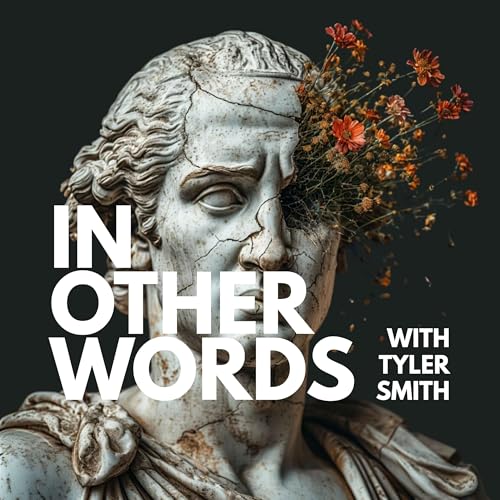 Mar 1 20261 hr and 42 mins
Failed to add items
Sorry, we are unable to add the item because your shopping cart is already at capacity.Add to basket failed.
Please try again laterAdd to Wish List failed.
Please try again laterRemove from Wish List failed.
Please try again laterFollow podcast failed
Unfollow podcast failed
-
Feb 1 20261 hr and 36 mins
Failed to add items
Sorry, we are unable to add the item because your shopping cart is already at capacity.Add to basket failed.
Please try again laterAdd to Wish List failed.
Please try again laterRemove from Wish List failed.
Please try again laterFollow podcast failed
Unfollow podcast failed
-
1 hr and 20 mins
Failed to add items
Sorry, we are unable to add the item because your shopping cart is already at capacity.Add to basket failed.
Please try again laterAdd to Wish List failed.
Please try again laterRemove from Wish List failed.
Please try again laterFollow podcast failed
Unfollow podcast failed
-
Dec 1 20251 hr and 45 mins
Failed to add items
Sorry, we are unable to add the item because your shopping cart is already at capacity.Add to basket failed.
Please try again laterAdd to Wish List failed.
Please try again laterRemove from Wish List failed.
Please try again laterFollow podcast failed
Unfollow podcast failed
-
1 hr and 15 mins
Failed to add items
Sorry, we are unable to add the item because your shopping cart is already at capacity.Add to basket failed.
Please try again laterAdd to Wish List failed.
Please try again laterRemove from Wish List failed.
Please try again laterFollow podcast failed
Unfollow podcast failed
-
Nov 1 20251 hr and 21 mins
Failed to add items
Sorry, we are unable to add the item because your shopping cart is already at capacity.Add to basket failed.
Please try again laterAdd to Wish List failed.
Please try again laterRemove from Wish List failed.
Please try again laterFollow podcast failed
Unfollow podcast failed
-
1 hr and 17 mins
Failed to add items
Sorry, we are unable to add the item because your shopping cart is already at capacity.Add to basket failed.
Please try again laterAdd to Wish List failed.
Please try again laterRemove from Wish List failed.
Please try again laterFollow podcast failed
Unfollow podcast failed
-
43 mins
Failed to add items
Sorry, we are unable to add the item because your shopping cart is already at capacity.Add to basket failed.
Please try again laterAdd to Wish List failed.
Please try again laterRemove from Wish List failed.
Please try again laterFollow podcast failed
Unfollow podcast failed