

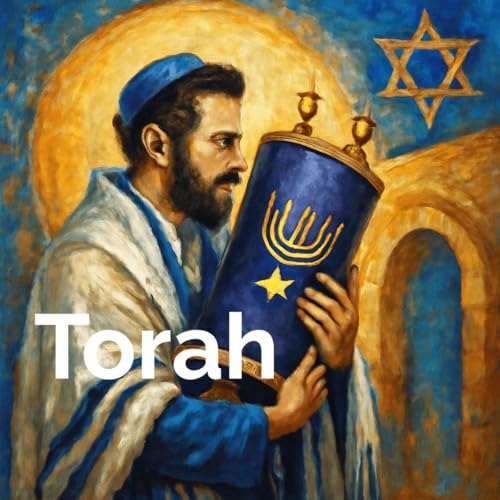
Book of Leviticus.
Failed to add items
Sorry, we are unable to add the item because your shopping cart is already at capacity.
Add to basket failed.
Please try again later
Add to Wish List failed.
Please try again later
Remove from Wish List failed.
Please try again later
Follow podcast failed
Unfollow podcast failed

Book of Leviticus.
-
Narrated by:
-
By:
Summary
The Book of Leviticus comprises divine instructions relayed through Moses to the Israelites at Mount Sinai, focusing on rituals for atonement, priestly duties, and codes of conduct to maintain holiness in the community. It spans 27 chapters and underscores the necessity of separating the sacred from the profane to enable God's dwelling among His people, with repeated imperatives such as "You shall be holy, for I the Lord your God am holy." The text integrates narrative elements, like the ordination of priests and incidents of divine judgment, with prescriptive laws, forming a cohesive framework for covenantal worship post-Exodus tabernacle construction.
Chapters 1–7 detail the sacrificial system, outlining five primary offerings: the burnt offering (olah), symbolizing total devotion; the grain offering (minchah), for dedication without blood; the peace offering (shelamim), expressing fellowship; the sin offering (chatat), addressing unintentional sins; and the guilt offering (asham), for restitution of specific offenses. These rituals specify procedures, including animal selection (e.g., unblemished bulls, sheep, or doves based on affluence), slaughter, blood application on the altar, and priestly portions, emphasizing blood's role in expiation as "the life of the flesh is in the blood." Instructions alternate between general rules and priestly perspectives, ensuring orderly temple service.
Chapters 8–10 narrate the consecration of Aaron and his sons as priests, involving seven-day rituals with anointing oil, sacrificial blood, and holy garments, followed by the inaugural offerings and divine fire acceptance. This section culminates in the deaths of Aaron's sons Nadab and Abihu for offering "unauthorized fire," reinforcing strict adherence to divine commands and Aaron's subsequent mourning restrictions. Priestly qualifications exclude physical defects, mandating moral integrity to mediate between God and Israel.
Purity laws in chapters 11–15 classify clean and unclean animals (e.g., permitting ruminants with split hooves that chew cud, prohibiting swine and shellfish), addressing dietary restrictions, and extend to skin diseases (traditionally termed "leprosy"), mold in dwellings, and bodily emissions, requiring isolation, inspection by priests, and purification rites like washing or offerings upon cleansing. These statutes aim to symbolize moral and spiritual cleanliness, preventing communal defilement of the sanctuary.
Chapter 16 prescribes the annual Day of Atonement (Yom Kippur), where the high priest, after personal atonement, performs rituals for national purification: sacrificing a bull for himself, selecting two goats—one slain for sins, the other (scapegoat) bearing Israel's iniquities into the wilderness—and sprinkling blood in the Holy of Holies. This central rite, observed on the tenth day of the seventh month, underscores collective forgiveness through blood sacrifice and expulsion of impurity.
Chapters 17–26, known as the Holiness Code, expand to ethical imperatives, prohibiting idolatry, blood consumption, and incestuous relations (e.g., barring unions with close kin or same-sex acts), while mandating love for neighbors, honest weights, and observance of festivals like Passover, Weeks, and Tabernacles. Agricultural laws include sabbatical years (every seventh year leaving land fallow) and the Jubilee (every 50th year, restoring property and freeing slaves), promoting social equity rooted in God's ownership of the land. The section concludes with blessings for obedience (e.g., rain, fertility) and curses for disobedience (e.g., disease, exile), framing covenant fidelity.
Chapter 27 addresses vows and tithes, regulating redemptions (e.g., valuing persons by age and gender for dedication equivalents) and dedicating firstborn animals or produce to God, ensuring voluntary commitments align with sanctuary support without coercion. Overall, Leviticus integrates ritual and moral spheres, positing holiness as both cultic practice and ethical living to sustain Israel's distinct identity amid divine presence.
This episode includes AI-generated content.
adbl_web_anon_alc_button_suppression_c
No reviews yet
In the spirit of reconciliation, Audible acknowledges the Traditional Custodians of country throughout Australia and their connections to land, sea and community. We pay our respect to their elders past and present and extend that respect to all Aboriginal and Torres Strait Islander peoples today.