

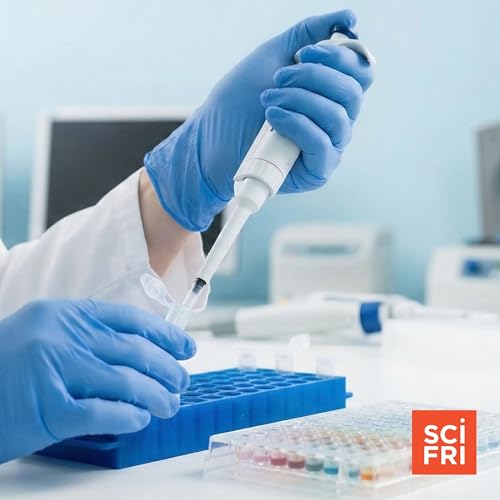
How do you study microplastics in a plastic-filled lab?
Failed to add items
Add to basket failed.
Add to Wish List failed.
Remove from Wish List failed.
Follow podcast failed
Unfollow podcast failed

How do you study microplastics in a plastic-filled lab?
-
Narrated by:
-
By:
Summary
The news we hear about plastic is often alarming: We have a spoon’s worth of plastics in our brains, and there are microplastics in our hearts, lymph nodes, and bloodstreams. Plastics are ubiquitous, but the reality might be more complicated than it seems.
It turns out that measuring microplastics is really, really difficult. One reason? Because we’re surrounded by plastics! Think of the pipettes and petri dishes and gloves we use in labs.
Host Flora Lichtman chats with microplastics researcher Cassandra Rauert about the difficulties of studying plastics in the human body and what she’s doing about it—like how she designed a whole lab made almost entirely of stainless steel and glass.
Guest:
Dr. Cassandra Rauert is a senior research fellow studying microplastics exposure at the University of Queensland in Australia.
Other episodes you may enjoy:
- Can algae help pull microplastics out of our water supply?
- Where Does Plastic And Other Trash Go After We Throw It Away?
Transcripts for each episode are available within 1-3 days at sciencefriday.com.
Subscribe to this podcast. Plus, to stay updated on all things science, sign up for Science Friday's newsletters.