

Episode 58: Provocative Testing for Myocardial Bridges and Effect on the Heart. Encore Edition.
Failed to add items
Add to basket failed.
Add to Wish List failed.
Remove from Wish List failed.
Follow podcast failed
Unfollow podcast failed

Episode 58: Provocative Testing for Myocardial Bridges and Effect on the Heart. Encore Edition.
-
Narrated by:
-
By:
About this listen
This is an encore episode as I believe we cannot stress the significance enough for this type of testing to confirm the effects of a myocardial bridge on the patient. The more that's known, the more likely it is that the proper course of treatment can be taken. If you missed it the first time, don't miss it this time. This is a must listen episode.
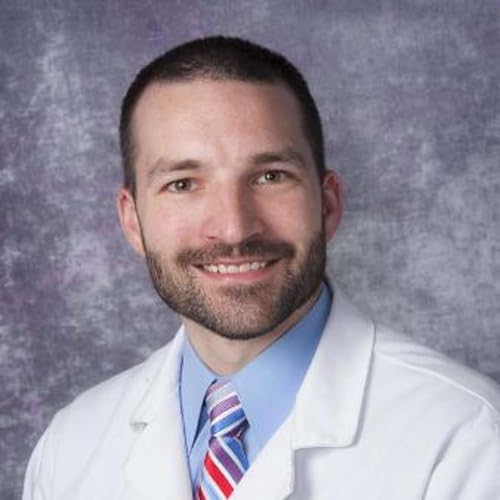
Unlock the secrets of properly understanding and diagnosing myocardial bridges with insight from Dr. Jeffrey Fowler, a leading interventional cardiologist at University of Pittsburgh Medical Center. Our conversation promises to illuminate the often perplexing process of diagnosing these cardiac anomalies and their impact on heart function. Through the lens of minimally invasive procedures and advanced imaging techniques like coronary CT angiograms, Dr. Fowler demystifies why myocardial bridges are not always the main culprits behind chest pain and the definitive testing now being done to ascertain the significance of the myocardial bridge.
We're going to explore the intricate world of invasive testing, as we detail the provocative testing process used to evaluate myocardial bridges, their severity and their contribution to angina, or chest pain. Dr. Fowler explains how starting with an empiric trial of medications can lead to more invasive procedures like heart catheterization if necessary. Learn about the steps of the provocative test and the role of acetylcholine in testing for endothelial dysfunction and vasospasm, with reassurances about the safety and reversibility of these tests. This episode is our first on the detail and best practice for diagnosis of the bridge through the provocative test we've heard so much about. It's meant for the education and knowledge for both patients and professionals, enhancing understanding of the nuanced approaches in relatively rare process of diagnosis.
Celebrate the spirit of collaboration among cardiology experts as Dr. Fowler shares the necessity of communication and advice. He's consulted with many others along the way including Dr. Shaw at Yale and Dr. Tremmell at Stanford, highlighting real-world case studies like that of patient David Vollmer. Join me in this compelling narrative of breakthroughs and dedication in the realm of cardiac care, and discover how ongoing advancements promise a brighter future for patients everywhere.
You can email Dr. Fowler directly at: fowlerja@upmc.edu
To reach Dr. Fowler call 412-647-6000 and ask for him specifically. Or you can visit the hospital website HERE
You can learn more about the Microvascular Network in the link HERE
Chapter Summaries:
(00:00) Understanding Myocardial Bridge Diagnosis Process
Interventional cardiologist explains use of coronary CT angiogram to detect and manage myocardial bridges in chest pain cases.
(10:04) Invasive Testing for Heart Conditions
Diagnosing and treating myocardial brid
If you like what you heard, please give us a positive review on whichever app you're using, like and follow us so you never miss an episode. Also, please visit the website, MyImperfectHeart.com and sign up to our database as we work to build a more connected, informed and supportive network of the Imperfect Heart community. Thanks for listening and thank you for your support.
If you don't yet have your very own copy of the book: Imperfect Heart: Stories of Myocardial Bridges, you can find it anywhere in paperback, tablet or audiobook versions. And, yes, that's me doing the audiobook version as well. :) I hope you enjoy it.