

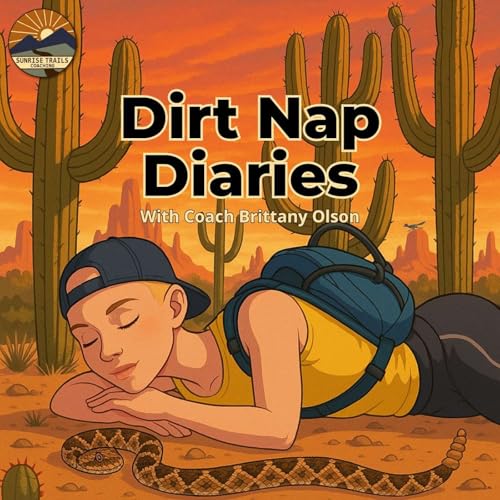
Episode 16: How to Actually Run Easy: Where Endurance Really Starts
Failed to add items
Sorry, we are unable to add the item because your shopping cart is already at capacity.
Add to basket failed.
Please try again later
Add to Wish List failed.
Please try again later
Remove from Wish List failed.
Please try again later
Follow podcast failed
Unfollow podcast failed

Episode 16: How to Actually Run Easy: Where Endurance Really Starts
-
Narrated by:
-
By:
About this listen
Most runners think they’re running easy… but they’re not.
In this episode, I break down what “easy effort” really means, why it’s one of the most important parts of your training, and how running too hard too often might actually be slowing you down.
We’ll talk about:
- How to tell if your “easy” is too hard
- Why slowing down helps you get stronger and faster
- The science behind building an aerobic base (without getting technical)
- The real reasons runners struggle to slow down — ego, time, and comparison
- Simple ways to actually run easy (and enjoy it)
If you’re tired of feeling fatigued, hitting plateaus, or wondering why you’re not improving even though you’re “working hard,” this one’s for you.
Key takeaways:
- Easy runs aren’t optional — they’re the foundation of your endurance.
- Consistent easy effort improves recovery, builds strength, and prevents burnout.
- Slowing down doesn’t make you weaker. It helps you go farther with more joy.
Whether you’re training for your first 50K or trying to find more balance in your weekly miles, this episode will help you understand why the best runners don’t just train hard — they train smart.
Links & Resources for This Episode
- RPE episode: Your watch is lying to you: Ditch the data (RPE vs HR)
- Follow me on Instagram
- Visit my website: www.sunrisetrailscoaching.com
- Want to work together? Learn about 1:1 Coaching
- Free guide: What’s In My Pack? Download here
No reviews yet
In the spirit of reconciliation, Audible acknowledges the Traditional Custodians of country throughout Australia and their connections to land, sea and community. We pay our respect to their elders past and present and extend that respect to all Aboriginal and Torres Strait Islander peoples today.