Brain Trash: Psychiatry from DSM to Dumpster Fire cover art

Brain Trash: Psychiatry from DSM to Dumpster Fire

Brain Trash: Psychiatry from DSM to Dumpster Fire

By: Maria Ingalla & Tabitha Arey
Listen for free

About this listen

Welcome to Brain Trash, where we rip off the sugar-coated filter and talk about the raw, messy, and frustrating realities of psychiatry. Hosted by psychiatric nurse practitioners who know the system inside and out, this podcast is for clinicians tired of textbook psychiatry BS and everyday people trying to make sense of their mental health.


💊 Overdiagnosis. Self-diagnosis. Medications that help. Medications that ruin lives. The DSM. The WTFs of mental health. If you’ve ever side-eyed a diagnosis, questioned your meds, or felt like the system was failing you—you're not alone.

No gatekeeping. No corporate-sanitized psychiatry. Just honest, unfiltered conversations about neurodivergence, trauma, the cracks in the system, and what we need to do differently.


🔥 If you’ve ever felt dismissed by a mental health provider or questioned the way we do this—hit subscribe. Let’s rethink psychiatry together.


🎙️ Listen now & join the conversation:
🌍 Podcast: https://braintrash.buzzsprout.com/
🧠 Mental health care: https://www.paperflowerpsychiatry.com/
📚 Education for providers & patients: https://www.paperflowerinstitute.com/
📸 Follow us on Instagram: https://www.instagram.com/paperflowerpsychiatry
🎥 YouTube Channel: https://www.youtube.com/@paperflowerinstitute

♪ TikTok: https://www.tiktok.com/@dr.mariaingalla

© 2025 Brain Trash: Psychiatry from DSM to Dumpster Fire
Hygiene & Healthy Living Psychology Psychology & Mental Health
Episodes
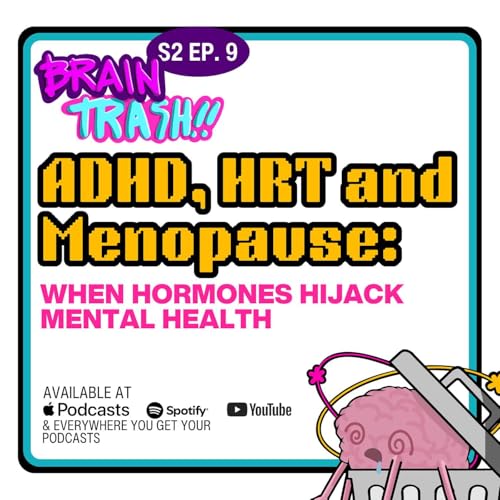
  • ADHD, HRT and Menopause: When Hormones Hijack Mental Health
    Dec 19 2025

    Send us questions here!

    In this episode of Brain Trash, Maria and Tabitha unpack how hormones hijack mental health, especially for people with ADHD navigating birth control, perimenopause, menopause, and hormone replacement therapy (HRT).

    They explore how hormonal shifts affect dopamine, medication response, mood regulation, and executive function, why ADHD symptoms often worsen during hormonal transitions, and how testosterone, estrogen, and progesterone interact with psychiatric treatment.

    The conversation also highlights gaps in women’s health research, the importance of individualized care, and why patients must advocate for themselves when treatment suddenly stops working.

    If you’ve ever wondered why your meds feel different, your symptoms escalated out of nowhere, or no one warned you about menopause being a mental health event, this episode is for you.

    🔔 subscribe for more neuroaffirming, evidence-based conversations
    🌸 learn more at paperflowerpsychiatry.com

    Socials:
    Facebook: Paperflower Psychiatry
    Instagram&Threads: @paperflowerpsychiatry
    Tiktok: @dr.mariaingalla
    Websites:
    www.paperflowerpsychiatry.com
    www.paperflowerinstitute.com
    www.courses.paperflowerinstitute.com

    Show More Show Less
    40 mins
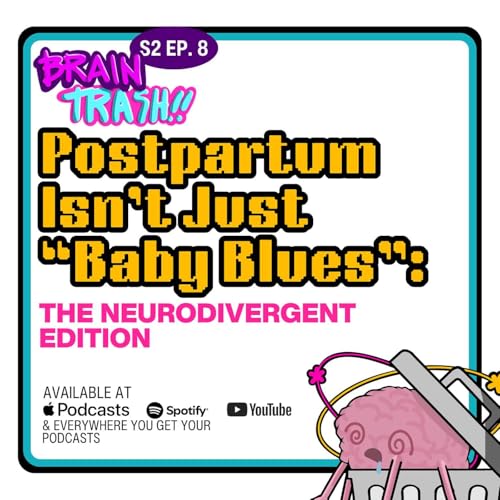
  • Postpartum Isn’t Just “Baby Blues”: The Neurodivergent Edition
    Dec 12 2025

    Send us questions here!

    In this episode of Brain Trash, Maria and Tabitha unpack the hormonal chaos of pregnancy and postpartum through a neurodivergent lens. They explore what happens to neurotransmitters during pregnancy, why postpartum can feel like a neurochemical ambush, and how ADHD and other forms of neurodivergence intersect with hormonal shifts.

    The episode also addresses medication management during pregnancy, the emotional and hormonal aftermath of miscarriage, and the long-term changes many people experience for years after giving birth. Maria and Tabitha highlight the importance of supportive providers, evidence-based guidance, and compassionate community care.

    Whether you are pregnant, postpartum, navigating loss, or supporting someone through it, this episode offers validation, clarity, and practical tools grounded in clinical experience.

    Key Topics Covered:
    • How pregnancy hormones reshape mental health
    • Why postpartum depression is common and often overlooked
    • The unique challenges neurodivergent individuals face postpartum
    • ADHD and hormonal fluctuations
    • Medication safety and management during pregnancy
    • Miscarriage and the neurochemical fallout
    • The long game of hormonal change
    • Finding providers who understand both hormones and neurodivergence
    • Support systems and community resources, including PSI

    Socials:
    Facebook: Paperflower Psychiatry
    Instagram&Threads: @paperflowerpsychiatry
    Tiktok: @dr.mariaingalla
    Websites:
    www.paperflowerpsychiatry.com
    www.paperflowerinstitute.com
    www.courses.paperflowerinstitute.com

    Show More Show Less
    30 mins
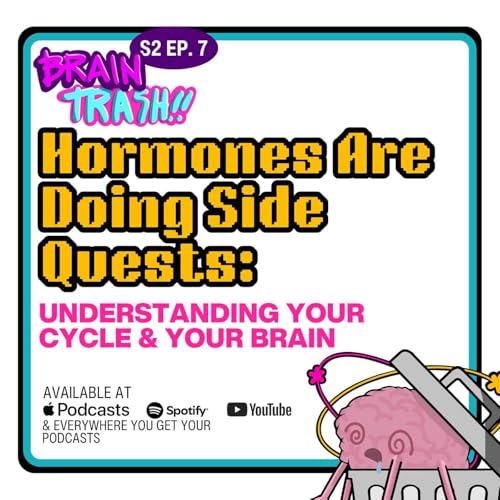
  • Hormones Are Doing Side Quests: Understanding Your Cycle & Your Brain
    Dec 5 2025

    Send us questions here!

    Your hormones aren’t just background noise — they’re out here running monthly side quests that impact mood, focus, energy, and mental health.

    In this episode, Maria and Tabitha dig into how the menstrual cycle actually works, why hormonal education is so inaccessible, and why neurodivergent folks often feel hormonal shifts more intensely.

    From “why do I feel feral today?” to “is this ADHD or estrogen?”, this is the breakdown your providers should have given you years ago.

    We also share practical, neurodivergent-friendly ways to track your cycle so you can understand your patterns and support your mental health with more clarity and self-compassion.

    🌸 Listen now on Brain Trash.
    🌸 Learn more at https://www.paperflowerpsychiatry.com

    Socials:
    Facebook: Paperflower Psychiatry
    Instagram&Threads: @paperflowerpsychiatry
    Tiktok: @dr.mariaingalla
    Websites:
    www.paperflowerpsychiatry.com
    www.paperflowerinstitute.com
    www.courses.paperflowerinstitute.com

    Show More Show Less
    25 mins
No reviews yet
In the spirit of reconciliation, Audible acknowledges the Traditional Custodians of country throughout Australia and their connections to land, sea and community. We pay our respect to their elders past and present and extend that respect to all Aboriginal and Torres Strait Islander peoples today.